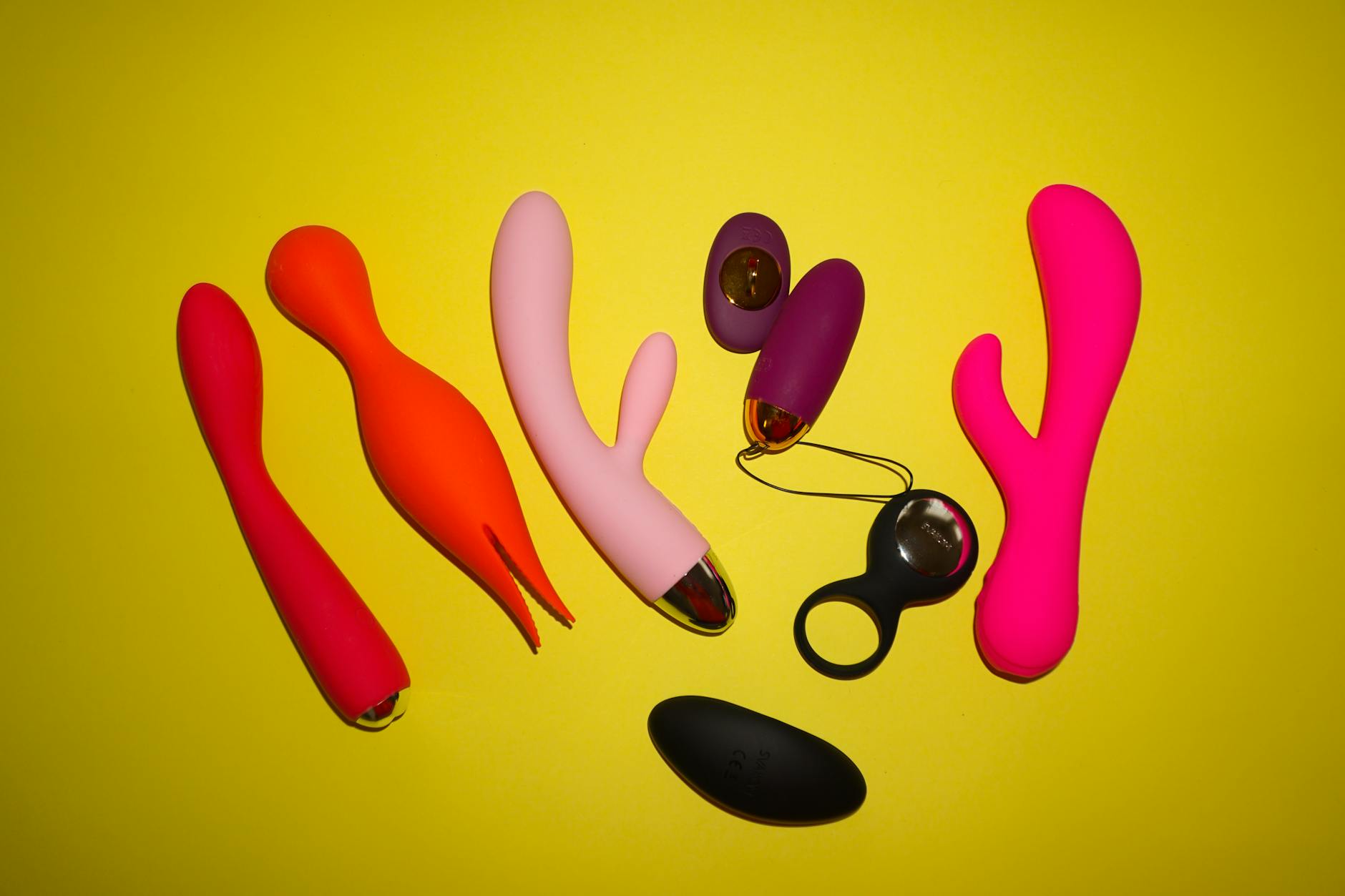
When You Actually Want Your Body Back
Let's be real. After vaginal surgery, your surgeon hands you a discharge sheet that covers everything except the thing you're actually wondering about: when can I have pleasure again? And not vague, missionary-in-the-dark pleasure. But real, intentional, clitoral pleasure with a lemon vibrator or any toy you actually enjoy.
That gap in medical guidance is why I'm writing this. Here's what the timeline actually looks like, broken down by surgery type, and why a lemon clitoral vibrator might be safer than you'd think once you get the green light.
The Six-Week Rule (and Why It's Not the Whole Story)
Most gynecologists will tell you nothing inside the vagina for six weeks. That's the standard post-op timeline for procedures like hysterectomy, fibroid removal, or reconstruction. But here's what they usually mean by that rule: nothing that introduces bacteria, causes friction inside the canal, or increases pelvic pressure while internal healing is still happening.
A clitoral vibrator, including a lemon sucker, is fundamentally different from penetrative toys. The external clitoris has its own blood supply, its own healing timeline, and it's not directly involved in most vaginal surgeries. Your surgeon isn't worried about external clitoral stimulation creating an infection or tearing internal stitches.
So why the blanket ban? Usually because they're not thinking about it specifically. Most discharge instructions are written for penetrative sex, not external pleasure.
That said. If your surgery involved the vulva, the perineum, or the clitoral area itself (like vaginoplasty, labiaplasty, or clitoral hood reduction), that six-week rule applies directly to you. No external stimulation until you're cleared.
Surgery Type Matters More Than You Think
Hysterectomy or fibroid removal: These are internal. Your clitoris is untouched. Many people feel ready for external clitoral stimulation by week 3-4, though most surgeons will ask you to wait until week 6. The rule exists partly out of abundance of caution and partly because increased arousal can increase pelvic pressure.
C-section: Your clitoris is nowhere near the surgical site. Once you're out of acute pain (usually 2-3 weeks) and off prescription pain medication, external clitoral vibration is often fine. The real restriction is penetration or anything that engages the core.
Perineal tearing (including fourth-degree): This is where a lemon clitoral vibrator becomes genuinely helpful. The external perineum needs time, but the clitoris is separate anatomy. By week 4-5, many people can tolerate gentle external stimulation without irritating the tear site.
Episiotomy or perineal repair: Same logic. The surgical area is lower and posterior. Careful external stimulation might actually feel relieving by mid-recovery because it doesn't engage the healing tissue.
Vulvovaginal surgery (labiaplasty, clitoral hood reduction, vaginoplasty): Wait the full six weeks. The healing tissue is literally where you want to stimulate, so don't.
What "Ready" Actually Feels Like
Forget the calendar. Your body will tell you. You're genuinely ready for a lemon vibrator or any clitoral toy when three things are true:
First, you're off prescription pain medication. Not just "I could take it if I wanted to" but actually not needing it. Pain meds mask sensation, and you need accurate feedback from your body right now.
Second, you can walk, sit, and move without sharp pain. Dull aching is normal. Sharp, shooting, or stabbing pain means something is still angry.
Third, you can touch the area gently without flinching. Not with a toy yet. With your own hand. If light touch feels unbearable, external stimulation will too.
Starting with a Lemon Vibrator After Surgery
When you do get the green light, a lemon clitoral vibrator has some specific advantages over traditional bullet vibrators or wands.
The suction motion of a lemon vibrator doesn't require the same kind of direct friction that a bullet or wand does. It's gentler on newly sensitive tissue. You can control the intensity at the source (patterns 1-3 are usually the place to start), and you're not pressing a hard object against delicate skin.
Start with pattern 1. The lowest, gentlest pulse. Spend five minutes getting reacquainted with sensation. You'll probably be surprised by how heightened everything feels. Post-surgery nervous systems are activated.
If that feels good, you can experiment with pattern 2 the next time. You don't need to rush to higher intensities. Your pleasure isn't going anywhere.
Avoid anything that engages your core, pelvic floor, or lower abdomen. That means no holding your breath, no tensing your stomach, no bearing down. If you notice yourself doing those things out of habit, stop and breathe. Your pelvic floor is still healing, and tension can create new problems.
The Emotional Piece (It's Bigger Than the Timeline)
Here's what surgeons never mention: most people feel weirdly disconnected from their bodies post-op. The surgery itself says "this part of you was broken and needed fixing." Recovery is medical. Then suddenly you're supposed to feel sexy in a body that's been through trauma.
That's normal. And it takes time that's not on any discharge sheet.
Some people feel eagerness to reclaim their body through pleasure. Others feel protective of it, not ready to ask it for anything yet. Both are valid. There's no emotional timeline you're failing.
If you have a partner, the conversation matters as much as the physical readiness. They might be nervous about hurting you. You might be nervous about pain. Talk about that before you try anything. Know that external clitoral pleasure doesn't require them to do anything. This is about you getting back to yourself.
When to Call Your Doctor Instead
If you try a lemon vibrator and experience sharp pain, unusual bleeding, or a gush of fluid, stop immediately and contact your surgeon. That's not "being cautious." That's your body saying something isn't ready.
Also call if you notice increasing swelling, warmth, or signs of infection (thick discharge, foul smell, fever). These aren't caused by a vibrator, but they mean you need to pause pleasure and get medical attention.
If numbness persists beyond three months post-op, mention it to your surgeon. Some nerve sensation takes time to return, but your doctor should be tracking it.
The Comeback Looks Different for Everyone
Some people return to their full pleasure practice within six weeks. Others take three months. Some people discover that their surgery actually improved sensation or comfort in ways they didn't expect. Some find that they need to rebuild slowly, getting to know their body all over again.
All of that is recovery. None of it is failure.
A lemon clitoral vibrator is just a tool. The real work is listening to your body, respecting its timeline, and trusting that pleasure is worth the patience.
People Also Ask
Is it safe to orgasm after vaginal surgery?
External orgasm from clitoral stimulation is generally safe once you're past acute pain and off heavy pain medication. Orgasm itself involves muscle contractions, so some surgeons ask you to wait until internal healing is more established (usually six weeks). If you're unsure, ask your specific surgeon about external clitoral pleasure, not just "sex."
Can I use a vibrator if I had perineal tearing?
Yes, but carefully and only once you're pain-free. The perineum is different anatomy from the clitoris. A lemon clitoral vibrator stimulates externally and doesn't engage the perineal area the way penetration does. That said, if the tear was severe, give yourself permission to wait longer. Healing tissue is fragile.
What if my doctor said no sex for six weeks? Does that include vibrators?
Your doctor almost certainly meant penetrative sex and anything that increases pelvic pressure. Ask them directly about external clitoral stimulation. Most will clarify that external toys are lower risk than penetration. Getting that clarity removes the guesswork.
How do I know if I'm having a complication versus normal recovery pain?
Normal recovery pain is dull, localized, and improves gradually over time. It gets better with rest and ice, not worse. Complication pain is sharp, spreading, or accompanied by swelling, heat, unusual discharge, or fever. When in doubt, contact your surgeon. They'd rather hear from you than have you suffer.
Can using a vibrator mess up my surgery?
External clitoral stimulation with a lemon vibrator cannot undo surgical work. Your surgery was internal or on external tissue that heals independently. A vibrator isn't going to reverse any repairs. It can't. What matters is that you're healed enough that stimulation doesn't cause pain or new trauma.
How long until I feel normal again?
Physical healing and emotional healing are separate timelines. Most people feel physically ready for pleasure within 4-8 weeks, depending on surgery type. Emotionally reconnecting to pleasure takes longer for some people. That's not a problem. That's integration.
Get Back to Yourself at Your Own Pace
Your surgeon knows the medicine. You know your body. A lemon clitoral vibrator is just a tool that can help you reclaim pleasure when you're ready. That readiness isn't determined by a calendar or a discharge sheet. It's determined by how you feel, what your body tells you, and whether you have genuine permission to want pleasure again.
If you're navigating recovery and have questions about what's right for your specific situation, your surgeon or a pelvic floor physical therapist can give you personalized guidance. And if you're struggling with the emotional side of getting back to pleasure after surgery, that's exactly what conversations like the ones we have at Hello Nancy are for.
Your body got you through surgery. It's still on your team.