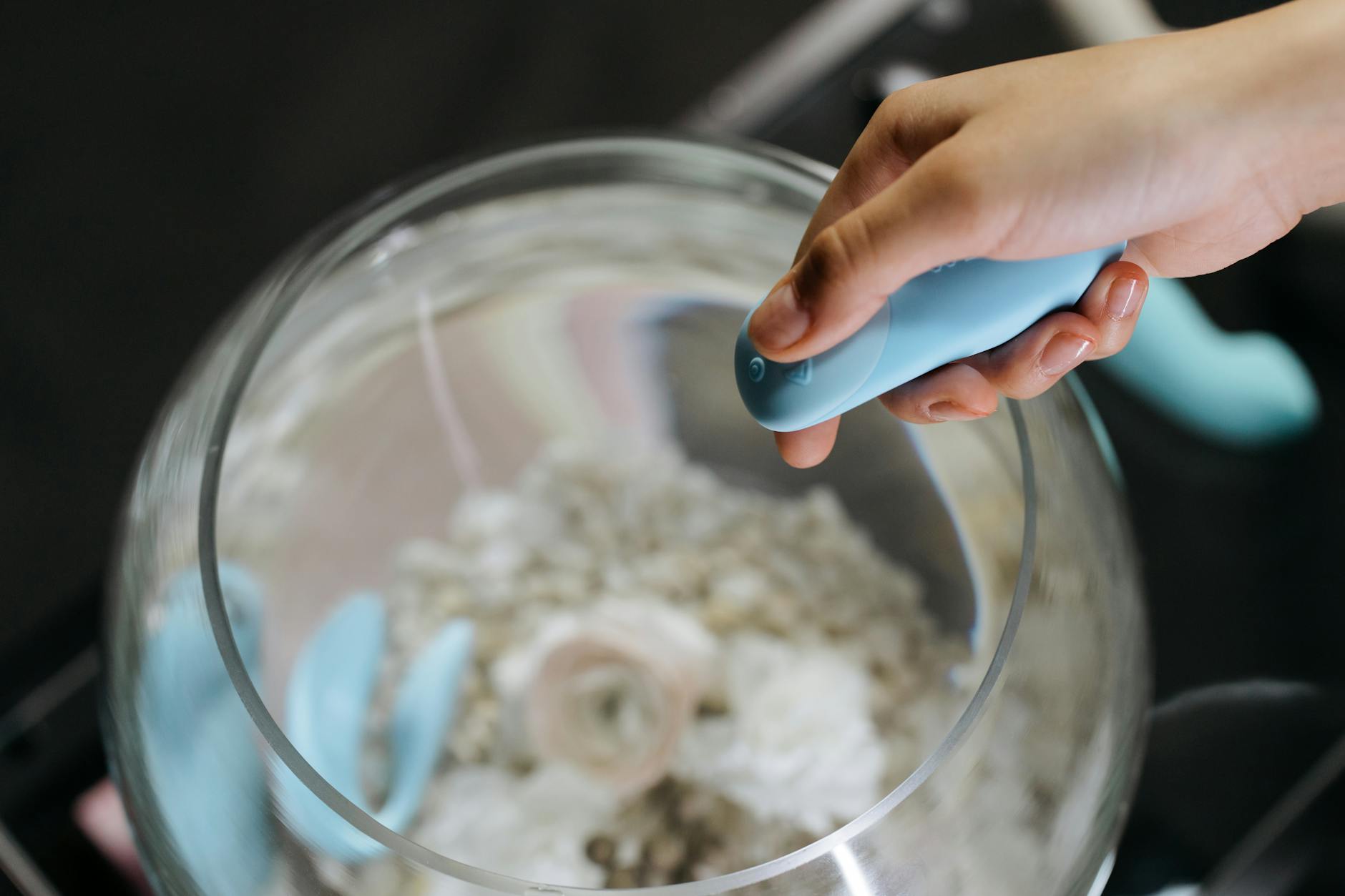
Let's start here: your body isn't broken
Pain during sex changes everything. Not just physically, but mentally. Your brain starts protecting you before penetration even happens. You tense. You hold your breath. You disconnect from sensation because sensation now means danger.
I work with people every week who've experienced pain during sex and think they've lost pleasure for good. They haven't. What's happened is that fear has overwritten the pleasure signal. The pathway is still there, but it's been crowded out by alarm.
Recovering pleasure after painful sex isn't about pushing through or "trying harder." It's about systematically teaching your nervous system that touch is safe again. And one of the gentlest, most effective tools for that job is a lemon clitoral vibrator.
Why pain hijacks your pleasure response
When you experience pain during sex, your nervous system logs it as a threat. That's not weakness or overreaction. That's your body doing its job. But then your brain gets smart about it and starts triggering protective responses earlier and earlier. Before sex. During foreplay. Sometimes just thinking about sex.
This is called pain-related sexual anxiety, and it's wildly common. The more pain you've experienced, the more your body braces for it. Your pelvic floor tightens. Your arousal becomes harder to access. You might feel numb instead of sensation. Your body is trying to protect you.
Here's the thing: pleasure and protection are hard to activate at the same time. Your sympathetic nervous system (fight-or-flight) and parasympathetic nervous system (rest-and-digest, where pleasure lives) don't play together. The faster you can shift from "this might hurt" to "this feels good," the faster you can rewire the experience.
The bridge back to sensation
You don't restart pleasure by jumping back into partnered sex. You restart it alone, in control, with tools that feel predictable and gentle.
A lemon vibrator works here because it delivers consistent, non-invasive stimulation to the external clitoris. Unlike a bullet, which fires in a single point, a lemon clitoral vibrator uses gentle suction and pulsing that mimics the way the body naturally responds to arousal. This matters when you're rebuilding trust with sensation. It feels different from whatever caused pain before. It's rhythmic enough to anchor your attention but not so intense that it feels overwhelming.
The suction mechanism also means you have fine control. You can start at the lowest setting and build slowly, which is exactly what your nervous system needs to believe that sensation is safe.
The practical reentry plan
Start with a window of time when you're alone and have zero pressure. Not right before bed when you're exhausted. Not when you have an hour until your partner gets home. Give yourself 30 to 45 minutes with no agenda.
Begin with your lemon vibrator off. Just hold it. Let your hand and your nervous system recognize this object. Warm it slightly. Maybe apply a small amount of water-based lubricant. This is not yet about arousal. This is about familiarization.
Turn it on to the lowest setting. The lowest. Press it gently to your outer labia, not directly on the clitoris yet. Let the sensation register without trying to feel anything specific. Your job is to notice, not to climax.
If at any point you feel panic or strong resistance, stop. This isn't about pushing through. You're gathering information about what your body is ready for. Spend a few sessions just with the vibrator on low, around the external area, no pressure for arousal.
Once that feels neutral or slightly pleasant, move to the clitoris directly. Still on the lowest setting. Still with no goal. Notice the sensation. Your nervous system is learning: this touch is safe. This touch doesn't lead to pain.
Over weeks, not days, you can increase intensity and duration as it feels good. The timeline varies wildly, and that's fine. Some people move through this in a month. Others take three months. There's no race.
Why lemon vibrators edge out other tools here
You might wonder whether a lemon clitoral vibrator is actually better for this kind of recovery than, say, a traditional bullet or wand. In my clinical experience with clients rebuilding after pain, lemon suckers win because of the sensation profile.
Bullet vibrators are more intense right from the start, even on low. They work with direct percussion. If your clitoris has been sensitized by pain, intensity can feel threatening. A lemon vibrator's suction is gentler and more diffuse. It stimulates nerves without the same mechanical pressure.
Wands are larger and can feel more imposing. Lemon vibrators are smaller, quieter, easier to control. Control matters enormously when you're relearning trust.
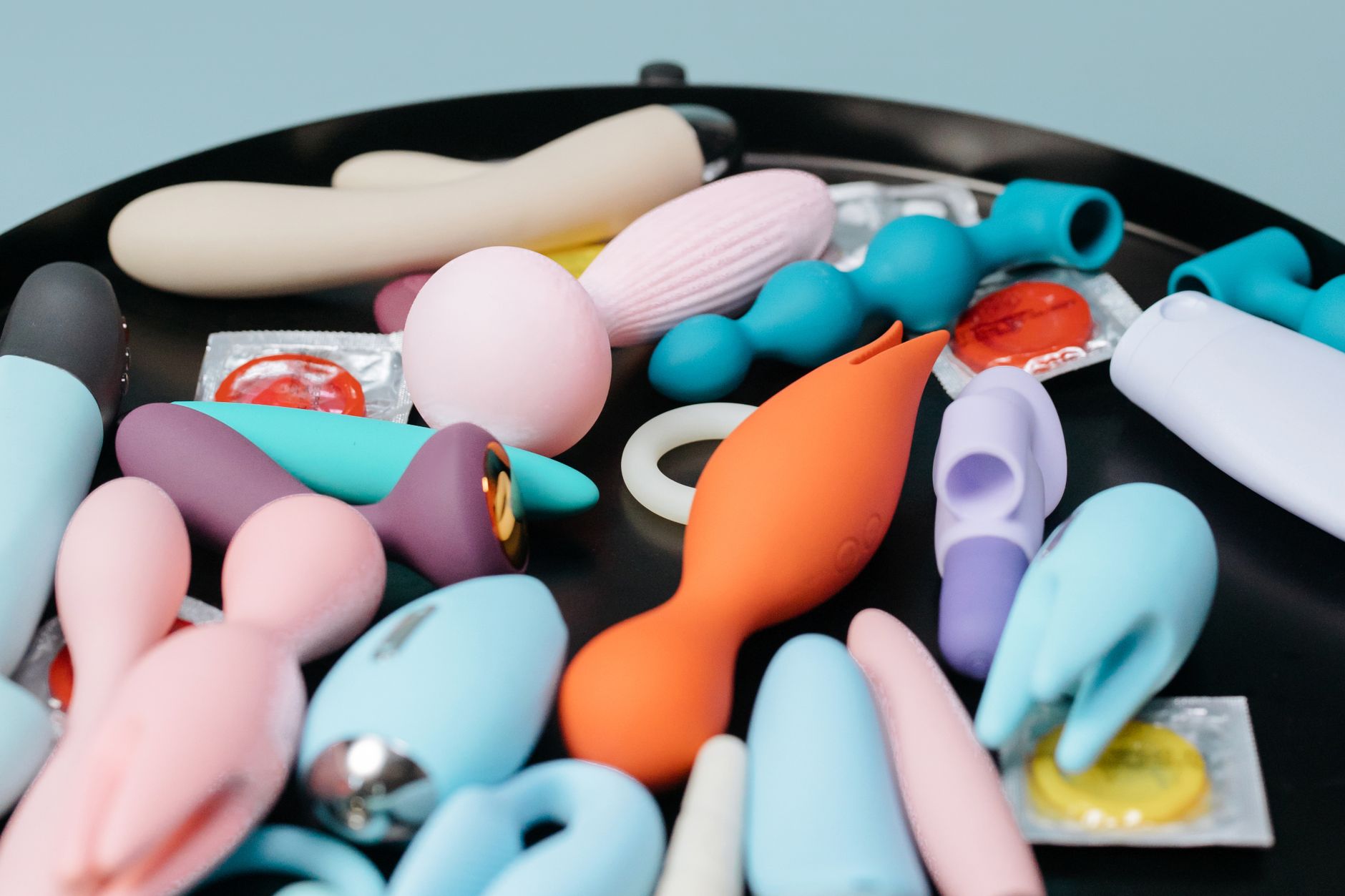
Photo by cottonbro studio on Pexels
The partner conversation
If you're in a relationship, your partner needs to know you're doing this work, but not necessarily all the details. Something like: "I'm relearning my body after pain. I need a few weeks or months of time to myself to build confidence again. This isn't about you or us. It's about me rebuilding trust with sensation."
That conversation prevents resentment and gives you permission to do this without pressure.
Once you feel genuinely ready, partnered sex can resume. But here's what changes: you lead it. You decide speed, depth, position. Your partner's job is to follow your cues and check in. If you've rehabbed sensation through your lemon vibrator, you'll know what you actually want instead of what you think you're supposed to want. That clarity is its own kind of healing.
Many people report that this whole process actually improves their partnered sex because they've finally tuned into their own pleasure signals instead of performing or bracing.
The psychological layer
Pleasure recovery is never just physical. Trauma, shame, and fear are emotions, not muscles. They don't strengthen through repetition; they soften through safety.
As you practice with your lemon vibrator, you're sending your brain a message: touch can be good. Your body can feel sensation without pain following. Pleasure is still available to you. That message needs to repeat maybe 20 or 30 times before your nervous system really believes it. That's not stubbornness. That's how neuroplasticity works.
If pain was tied to a specific person or dynamic, that's a separate conversation with a therapist or sex counselor. Pain recovery is physical and emotional and relational all at once.
When to get professional help
If pain was caused by a specific medical issue (endometriosis, vulvodynia, pelvic floor dysfunction), address that first. A gynecologist or pelvic floor physical therapist can rule out treatable physical causes. You can do the pleasure recovery work alongside treatment, not instead of it.
If you've experienced pain and shame or trauma during sex, a trauma-informed sex therapist is worth the investment. They specialize in exactly this kind of nervous system recalibration.
You deserve to have pleasure that feels good and safe. This is not a luxury. It's a fundamental part of being human.
People also ask
How long does it take to recover pleasure after painful sex?
It varies. Some people feel a significant shift in 4 to 6 weeks of consistent solo practice. Others take 3 months or longer. The timeline depends on how recent the pain was, whether the underlying cause has been treated, and your own nervous system's timeline. There's no standard recovery period. What matters is consistency and self-compassion, not speed.
Can I use a lemon vibrator if penetration was painful?
Yes. A lemon clitoral vibrator doesn't involve penetration, so it isolates the pleasure response to external stimulation. This is actually ideal for rebuilding if penetration was the source of pain. You're retraining your nervous system with a completely different sensation than what caused harm.
Should I tell my partner I'm using a vibrator for pleasure recovery?
If you're partnered and want to eventually resume shared sexual activity, yes, have that conversation. You don't need to explain every detail of your healing process. Something simple like "I'm taking time to rebuild my relationship with pleasure" is enough. If they get defensive, that's information you need to know.
What if I still feel anxiety even with the vibrator?
That's normal and not a sign of failure. Anxiety can take longer to shift than the physical sensation. Try grounding techniques before you start: name five things you can see, four you can touch, three you can hear, two you can smell, one you can taste. Then ease into the vibrator practice. If anxiety is severe, a therapist trained in somatic work can help.
Is a lemon sucker better than other vibrators for pain recovery?
For most people rebuilding after pain, lemon clitoral vibrators do work well because the suction mechanism feels gentler and more controllable than percussion vibrators. That said, the best vibrator is the one that feels safe to you. Some people prefer bullets. Some prefer wands. Experiment with different sensations as you heal.
Can I combine the lemon vibrator with partnered touch?
Not until you feel genuinely comfortable with it alone. The solo practice is where you reclaim your own pleasure signal. Once that's solid, you can experiment with your partner using it alongside touch, but only if you're initiating and controlling the pace. You're the expert on your body now.
Recovering pleasure after pain isn't about erasing what happened. It's about proving to your nervous system that sensation can be good, that your body deserves to feel good, and that you get to decide what happens to it. A lemon vibrator is just a tool for that conversation. The real work is inside you, and you're stronger than the pain.