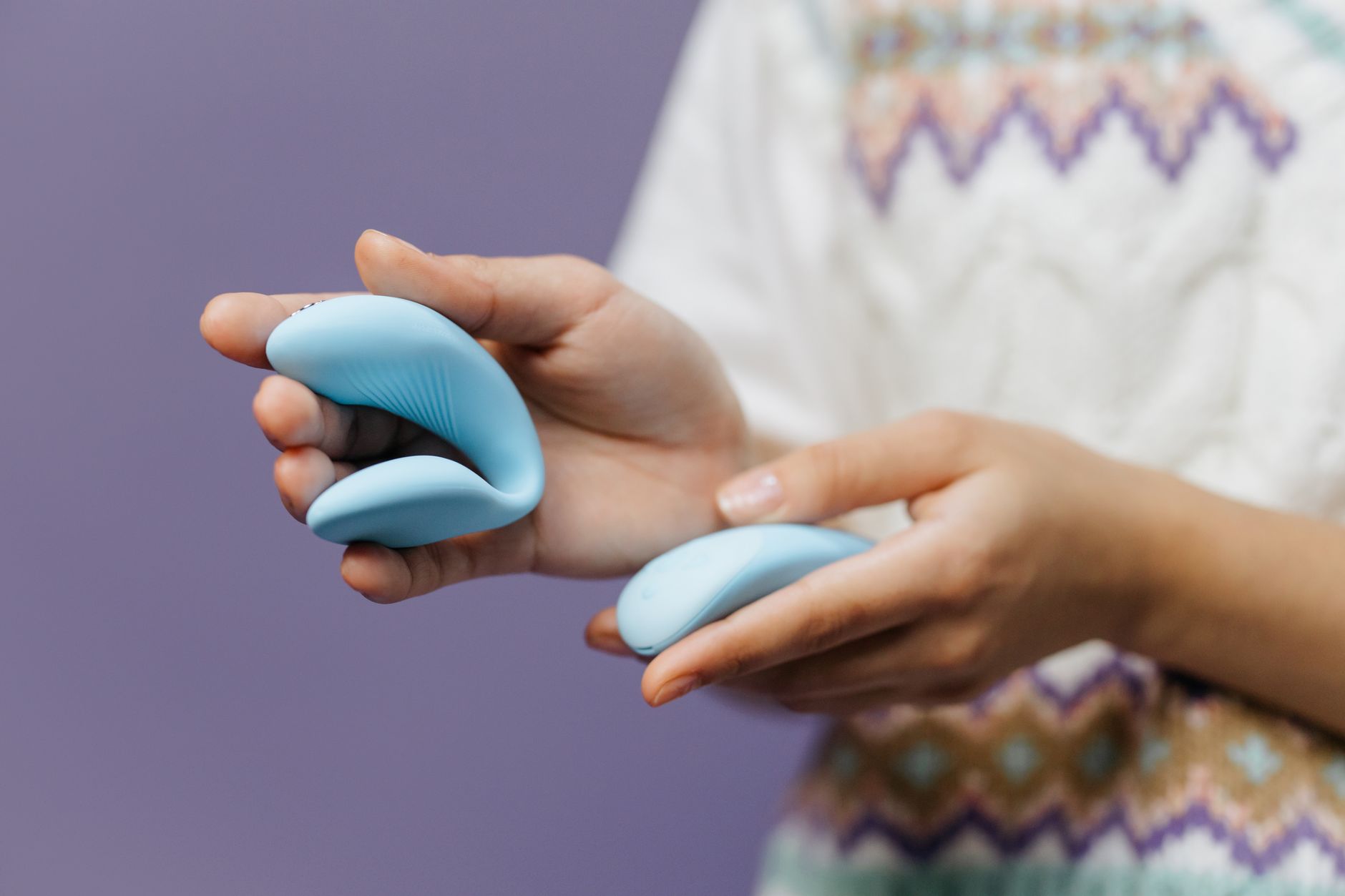
Here's what low estrogen actually does to your pleasure
Let me be direct: low estrogen doesn't kill pleasure. It changes the delivery system. Your clitoris still has all its nerve endings. Your brain still responds to stimulation. What shifts is how quickly arousal builds, how sensitive the tissue feels, and what kind of pressure works best.
If you're navigating hormonal imbalance, thyroid dysfunction, PCOS, endometriosis, or even just a medication-induced dip in estrogen, you've probably noticed that what used to work feels either too intense or frustratingly numb. That's not a you problem. That's biochemistry. And once you understand the mechanics, everything changes.
Why low estrogen makes traditional vibrators feel wrong
Estrogen keeps vulval tissue thick, elastic, and well-lubricated. It maintains blood flow to the clitoris, which means faster arousal and more sensitivity. When estrogen drops, the tissue becomes thinner and more delicate. Direct, persistent vibration can feel painful, irritating, or paradoxically numb because the vibration is bouncing off tissue that's lost some of its elasticity.
This is where lemon vibrators (suction-based devices like the Lem) solve a real problem. Instead of buzzing against tissue, they create gentle suction that stimulates the clitoral nerves from a different angle. For people with low estrogen, this feels less like a jackhammer and more like purposeful pressure. No endless buzzing. No friction fatigue. Just a steady, rhythmic pulse that works with hormonal reality instead of against it.
The lemon sucker advantage for hormonal bodies
A lemon clitoral vibrator uses air-pulse technology rather than vibration. Here's why that matters when estrogen is low:
Less direct friction. The suction creates a seal around the clitoris, which means the device isn't grinding against sensitive tissue. For people whose vulvas have thinned due to low estrogen, this is the difference between pleasure and pain.
Better arousal ramp-up. With traditional vibrators, you either feel sensation or you don't. With suction, there's a sweet spot at lower intensities that can actually activate arousal even when your body is being sluggish. Many people with hormonal imbalances find they can climax at pattern 1 or 2 on a lemon vibrator when they couldn't achieve anything with a standard device.
Adjustable pressure. You're not stuck with one speed or vibration style. You can control exactly how much suction and which pattern you want, which matters enormously when your body's sensitivity is in flux.
How to use a lemon vibrator when your estrogen is low
Start with these practical steps.
1. Budget 20-30 minutes. Arousal takes longer when estrogen is low. Your clitoris needs time to wake up. Don't treat this like you're on a clock. Solo exploration should feel spacious.
2. Use lube, always. Water-based lubricant isn't a sign of brokenness. It's a tool that compensates for reduced natural lubrication. Apply generously inside the suction cup of your lemon vibrator before you begin. Reapply halfway through if needed.
3. Start at the lowest intensity. Begin with pattern 1. Spend 5-10 minutes there. The goal isn't to rush to intensity. It's to let your body register sensation and build arousal gradually. Many people with hormonal imbalances actually respond better to lower, sustained patterns than to high speeds.
4. Position it slightly differently. With low estrogen, direct clitoral stimulation can sometimes feel too sharp. Try positioning the suction cup so it's stimulating the clitoral hood or the area just above the clitoris. This gives you all the benefits of the lemon vibrator without pinpoint pressure on tissue that's already tender.
5. Combine with fantasy or sensation play. When arousal is biochemically sluggish, mental engagement matters more. Use the time to think about something that genuinely turns you on, or engage another sense. Some people find that dimmed lighting, a favorite scent, or even temperature play (warm blankets, a cool glass in hand) helps bridge the arousal gap.
Timing around your cycle (if you still cycle)
If you have irregular periods or hormonal imbalance, your estrogen isn't just low overall—it's probably chaotic. One week you might feel relatively normal, and the next week your clitoris feels like it's wrapped in cotton.
Pay attention to this. Keep a basic tracker of when you feel most responsive and when you feel numb. You might notice a pattern. If you do, schedule solo exploration for your higher-estrogen days. This isn't about forcing pleasure. It's about working with your body's rhythm instead of fighting it.
On low-estrogen days, lemon vibrators are still useful—they just might take longer to work, or you might need to combine them with other strategies like longer foreplay, mental stimulation, or even partnered touch before solo play.
What to do if sensation stays numb
If you've tried these strategies and you still feel nothing after a reasonable amount of time, it might be worth checking in with your doctor about estrogen levels. Hormonal imbalances—especially PCOS, thyroid dysfunction, or medication side effects—are treatable. Sometimes a conversation with your provider about adjusting medication or exploring hormone support can unlock sensation that felt permanently lost.
In the meantime, some people find that combining a lemon vibrator with external hand stimulation helps. The suction creates one kind of sensation while your hand adds pressure or movement to a different area. Layering sensations sometimes works when a single device alone doesn't.
When to use a lemon vibrator versus when to rest
Here's something nobody talks about: sometimes the kindest thing you can do is not push for an orgasm. If you're dealing with hormonal imbalance, your body might be genuinely depleted. Forcing pleasure out of depletion teaches your nervous system that pleasure is work.
Instead, try this framework. Use your lemon clitoral vibrator when you have 20-30 minutes, when you're genuinely curious (not just trying to check a box), and when you feel even a faint glimmer of interest. If that glimmer isn't there, skip it. Rest. Let your body recover.
This sounds counterintuitive, but people with hormonal imbalances often find that taking pressure off solo play actually increases pleasure overall. The clitoris responds better to genuine desire than to mechanical stimulation, no matter how good the device is.
The role of external support
A lemon vibrator is a tool. It's not a fix. If your hormonal imbalance is medication-related, talk to your provider about whether alternatives exist. If it's PCOS-related or thyroid-related, address the underlying condition. Supplements like spearmint tea for PCOS, magnesium for hormonal balance, or vitamin D (which affects estrogen regulation) might help alongside pleasure exploration.
The goal isn't to force your body into the shape it used to be. It's to understand what your body needs now and give it that.
Frequently asked questions
Can a lemon vibrator really help if I have no sensation at all?
Yes, but with patience. Many people with severe hormonal imbalances feel nothing in the beginning because the clitoris needs time to "wake up." A lemon vibrator's gentler suction can help activate dormant nerve endings. Start at the lowest pattern, use lube, and try for 15-20 minutes over several sessions before concluding nothing works. Some people don't feel sensation until their third or fourth attempt.
Is it normal for arousal to take 30 minutes when I have low estrogen?
Completely normal. When estrogen is low, the parasympathetic nervous system takes longer to activate. That means more time in the foreplay phase. This isn't a problem. It's actually an opportunity to be more intentional and present with your own pleasure instead of rushing through it.
Should I use a different lemon vibrator than the standard Lem if my estrogen is very low?
The Lem is the flagship lemon clitoral vibrator and works well for most bodies with hormonal imbalances because of its adjustable intensity. If you find the suction cup itself is too large or too intense, you might explore smaller options, but the principle stays the same: suction-based devices tend to work better for low-estrogen bodies than traditional vibrators.
Can I use a lemon vibrator with hormone therapy?
Yes. Many people find that once they begin estrogen therapy or other hormonal support, sensation returns faster and more intensely. A lemon vibrator adapts well to this transition. You might find you need higher intensities as your hormones rebalance, which is a good sign that treatment is working.
What if my partner wants to use the lemon vibrator with me and I have low estrogen?
Communicate what you need: longer warm-up time, lower initial intensity, and permission to stop if sensation doesn't build. Many partners appreciate the clarity. Some people find that partnered exploration with a lemon vibrator actually helps because the partner can adjust intensity in real time based on response, rather than you managing it solo.
How long does it take to feel results with a lemon vibrator if I have hormonal imbalance?
Some people feel results in the first session. Others need 3-5 attempts as their body gets comfortable with the device and arousal pathways start to activate. Give yourself at least a month of occasional exploration before deciding whether it's working. Hormonal bodies are slower to respond to new stimuli, and that's okay.
The bigger picture
Low estrogen changes your body's pleasure response. It doesn't end your capacity for pleasure. A lemon clitoral vibrator like the Lem works differently than traditional vibrators, which means it can work better for bodies navigating hormonal shifts. The key is patience, communication with your own body, and willingness to adjust your expectations around timing and intensity.
Your pleasure matters. Even when your hormones are messy. Especially then.
If you're struggling with hormonal imbalance and pleasure, we're here to talk through it. Reach out to us at /contact and let's figure out what will actually work for your body right now.