The conversation no one teaches you to have
You want closeness. Your partner flinches at your touch. Not always, not everywhere, but enough that you've stopped reaching for them the way you used to. This isn't rejection exactly. It's more like living on different sides of a glass wall.
Touch aversion and sensory sensitivity in relationships are more common than most people realize. They show up in long-term couples, new couples, couples navigating trauma, neurodivergence, chronic stress, or simply different baseline nervous systems. And they're almost never the whole story. The person who pulls away during sex might be desperate for intimacy. The touch-averse partner might want closeness more than anyone in the room.
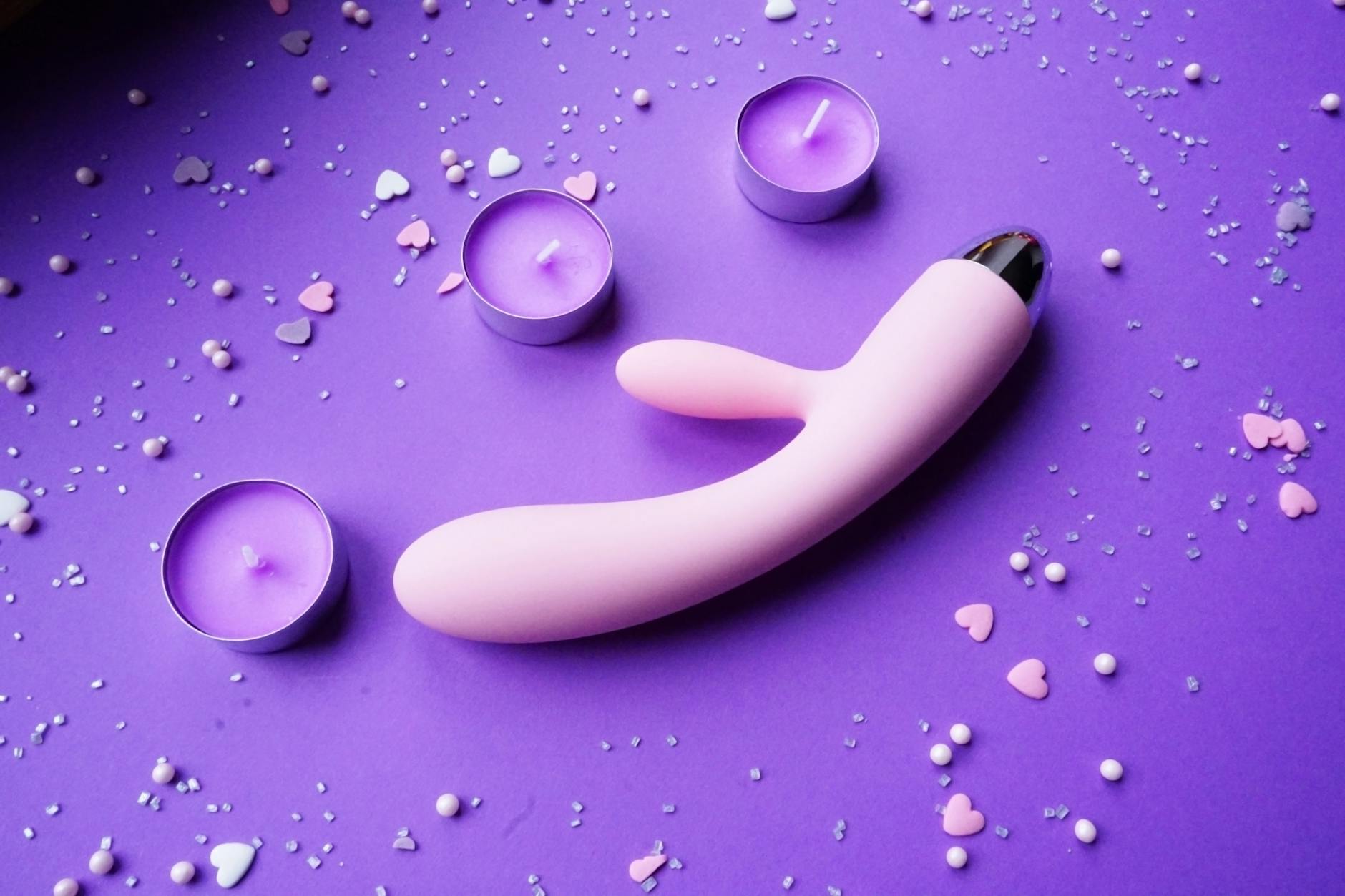
The mismatch is the problem. And here's where a lemon vibrator changes the equation.
Why traditional touch can feel like too much
Sensory sensitivity isn't about broken wiring. It's about an nervous system that processes sensation differently. For some people, direct skin-to-skin touch feels overstimulating. The pressure, the temperature change, the unpredictability of where a hand will move next. It creates friction (literally and emotionally) that makes it hard to relax into pleasure.
This is especially true during sex. If your partner is already in a low-sensation state, spontaneous touching can read as demanding rather than connecting. The person doing the touching feels rejected. The person receiving the touch feels invaded. Both people end up lonely.
A lemon vibrator, specifically, changes this dynamic in three ways:
First, it's predictable. You can agree in advance exactly where it will be, how long it will stay there, and what pattern you'll use. No surprise touches. No hands roaming where they weren't invited.
Second, it concentrates sensation into one small area. Instead of your whole body being on alert, the intensity is localized to the clitoris. Many sensory-sensitive people find this easier to control mentally. You're not managing input from ten different touch points. You're managing one.
Third, it removes the pressure of performance. When a partner is stimulating you directly with their body, there's an implicit expectation of reciprocation, immediate feedback, adjustment based on tiny changes in your breathing. With a tool, that pressure dissolves. Your partner can be present without needing to read your body in real time.
Setting up the conversation first
Before you bring a lemon clitoral vibrator into your intimate life with a sensory-sensitive partner, you need to actually talk about it. Not during sex. Not when emotions are high. Sometime neutral, earlier in the day, sitting on the couch.
Start here: "I've noticed we've been struggling with touch lately, and I don't think it's because we don't want each other. I think it's because our bodies are processing things differently. I'd like to try something that might help us bridge that. Would you be open to exploring that together?"
Then listen. Really listen. A sensory-sensitive partner often carries shame about their touch aversion. They may have been told their whole life that they're broken, too picky, not sexy enough. Hearing that you see this as a design mismatch, not a character flaw, can be radically shifting.
Explain what a lemon vibrator is. Show them the pattern settings. Explain that using it doesn't require traditional touch, doesn't put pressure on either of you to perform, and gives you both back some control. You might say something like: "I want to feel close to you. And I want you to actually enjoy it instead of enduring it."
The physical setup that matters
Sensory sensitivity often improves when someone feels safe and in control. So the environment and positioning need adjustment.
Start with clothes on, possibly. Some sensory-sensitive people find it easier to be touched when they're partially clothed. There's a physical boundary. You're not confronting their whole body at once.
Choose a quiet space with low-pressure lighting. Not the bedroom necessarily. Some couples find it easier to relax on a couch, where there's less performance history. No phones, no obligation to end with orgasm.
Let your partner hold the lemon vibrator first, even if you're the one using it. Familiarity with the tool itself reduces anxiety. Let them turn it on. Let them feel the sensation in their hand. Desensitization starts before anything else.
When you do use it together, consider this position: you sitting or lying with legs extended, your partner beside you rather than between your legs. This creates side-by-side presence instead of face-to-face intensity. Many sensory-sensitive people find this less vulnerable.
The actual technique when sensory avoidance is real
Start at the lowest pattern. The Lem's gentlest setting is designed to engage nerve endings without overwhelming them. For someone with sensory sensitivity, this is crucial.
Approach slowly. Don't flip it on and dive in. Apply it through underwear first. Yes, really. This gives a layer of distance. The sensation is muted, contained, less invasive. Let your partner get used to the feeling before you move to direct contact.
Keep the duration short. Maybe five minutes. Not because you need to rush, but because sensory-sensitive nervous systems fatigue quickly. Shorter sessions with breaks are more pleasurable than long marathons that end in overwhelm.
Add language. Not dirty talk necessarily, but narration. "I'm going to move it slightly left now." "Let me know if this is too intense." Anticipation reduces anxiety. Your partner's nervous system doesn't have to brace for surprises.
If your partner freezes or pulls away, pause immediately. Don't push. Don't make it awkward by fussing. Just stop. Ask, "Want to try something different?" Maybe that means a break. Maybe that means switching positions. Maybe it means you use the lemon vibrator on yourself while they watch, which allows them to be present without needing to manage their own sensory input.
Building pleasure across the touch gap
Here's something that shifts for many couples once they get past the initial awkwardness: using a lemon vibrator together can actually deepen intimacy. Not in spite of the sensory difference, but because of how you work around it.
Your partner is no longer managing their own nervous system, watching your face for signs they're doing it right, trying to coordinate breathing and movement and pleasure all at once. They can actually be present with you. They can watch your face. They can touch other parts of your body that feel safer for them. They can hold your hand.
This is intimacy. It's different from the kind they might have imagined, but it's often deeper because it's intentional. Both people are choosing to be there.
Many sensory-sensitive people report that their partner using a lemon clitoral vibrator is actually sexier than traditional touch. Not because the sensation is better, but because it means someone is paying attention. Someone is trying. Someone isn't taking their body as an afterthought.
When to bring in professional support
If sensory sensitivity comes alongside trauma history, or if your partner shuts down even with these adjustments, that's a sign to work with a therapist who specializes in couples' trauma or sensory processing. This isn't something a vibrator alone will solve.
If touch aversion is new and sudden, that's worth checking in with your partner about. Sometimes it signals depression, burnout, or a relationship rupture that needs attention outside the bedroom.
But if this is just your partner's nervous system, and they're willing to explore it with you, a lemon vibrator can be exactly the bridge you've been looking for. It removes the performance, builds trust through predictability, and lets you both remember what pleasure feels like when the pressure is off.
People also ask
Can a sensory-sensitive partner ever enjoy traditional touching again?
Sometimes, yes. But framing it as "getting back to normal" often backfires. The real question is whether both partners can accept and work with the nervous system they have, rather than fighting it. Many couples find that using a lemon vibrator together actually reduces anxiety around touch, which can open up more traditional physical affection over time. But that's a bonus, not the goal. The goal is pleasure and closeness as they actually experience it.
Is using a vibrator with a partner who is sensory-sensitive romantic?
I get asked this constantly, and the answer is yes. Romance is about attention and care. It's about saying "I see you, and I want to meet you where you are." A partner who learns to use a clitoral vibrator in a way that respects their partner's nervous system is being deeply romantic. They're choosing intimacy over ego.
What if my partner is too embarrassed to try a lemon vibrator?
Embarrassment is often a cover for fear. Fear that they're broken, fear that they'll disappoint you, fear that this thing will confirm something they already believe about themselves. Reassurance helps, but so does naming what's actually happening. "This isn't about anything being wrong with you. It's about us finding a way to connect that works for both of us." Sometimes starting with your partner watching you use it solo removes the pressure of "performing" with the vibrator.
How long does it take before sensory sensitivity improves during intimacy?
It depends on the person and what's driving the sensitivity. Some couples see shifts in a few sessions. Others take weeks. The key is consistency and removing pressure. If you turn this into "okay, we're trying the vibrator to fix you," the whole thing gets tense again. If you frame it as exploration with no timeline, most sensory-sensitive partners relax faster.
Can sensory sensitivity make someone not want sex at all?
Not usually. What happens more often is that the sensory sensitivity makes traditional sex feel unpleasant, so people start avoiding it. They're not avoiding intimacy. They're avoiding the sensation. A lemon vibrator can completely change that calculus because it gives them a version of sexual pleasure that doesn't involve the sensations that overwhelm them.
Should we try other types of lemon sexual toys if the vibrator feels like too much?
Absolutely. Not every tool works for every person. Some sensory-sensitive people find that a lemon sucker is actually less intense than a vibrator because it's not buzzing. Others prefer the predictability of patterns. Having a few options and permission to say "let's try something else" removes the stakes and keeps exploration light.
The end game
Your relationship doesn't have to follow someone else's blueprint for physical intimacy. You and your partner get to write your own. If that means using a lemon clitoral vibrator instead of traditional touch, that's not a compromise. It's a solution that works. It's a way of saying "I want you, and I want this to feel good for both of us." That's where real connection lives.