Let's be real about post-divorce pleasure
Divorce rewrites your body's narrative. For years, maybe decades, your pleasure existed in a relational context. Sex happened within a framework of shared history, compromise, expectation, and often, the slow erosion of genuine desire. Then it ends. And suddenly you're standing in your own space, alone with your body, and you realize you barely know what you actually want anymore.
This is not weakness. This is exactly where most people land after a long relationship dissolves. The work of rediscovering solo pleasure isn't frivolous. It's foundational to healing.
Why divorce disrupts pleasure differently than other breakups
Divorce is not just the end of a relationship. It's the dismantling of infrastructure. Shared finances, shared living space, shared identity. When a long marriage ends, the emotional inventory includes anger, grief, ambivalence, relief, shame, and sometimes a strange absence where desire used to sit.
Many of my clients describe this sensation: they can't access their own sexuality because it's tangled with resentment toward an ex, or fear about being undesirable, or simply the numbness that comes from years of disconnection. Adding a partner to that mix feels impossible.
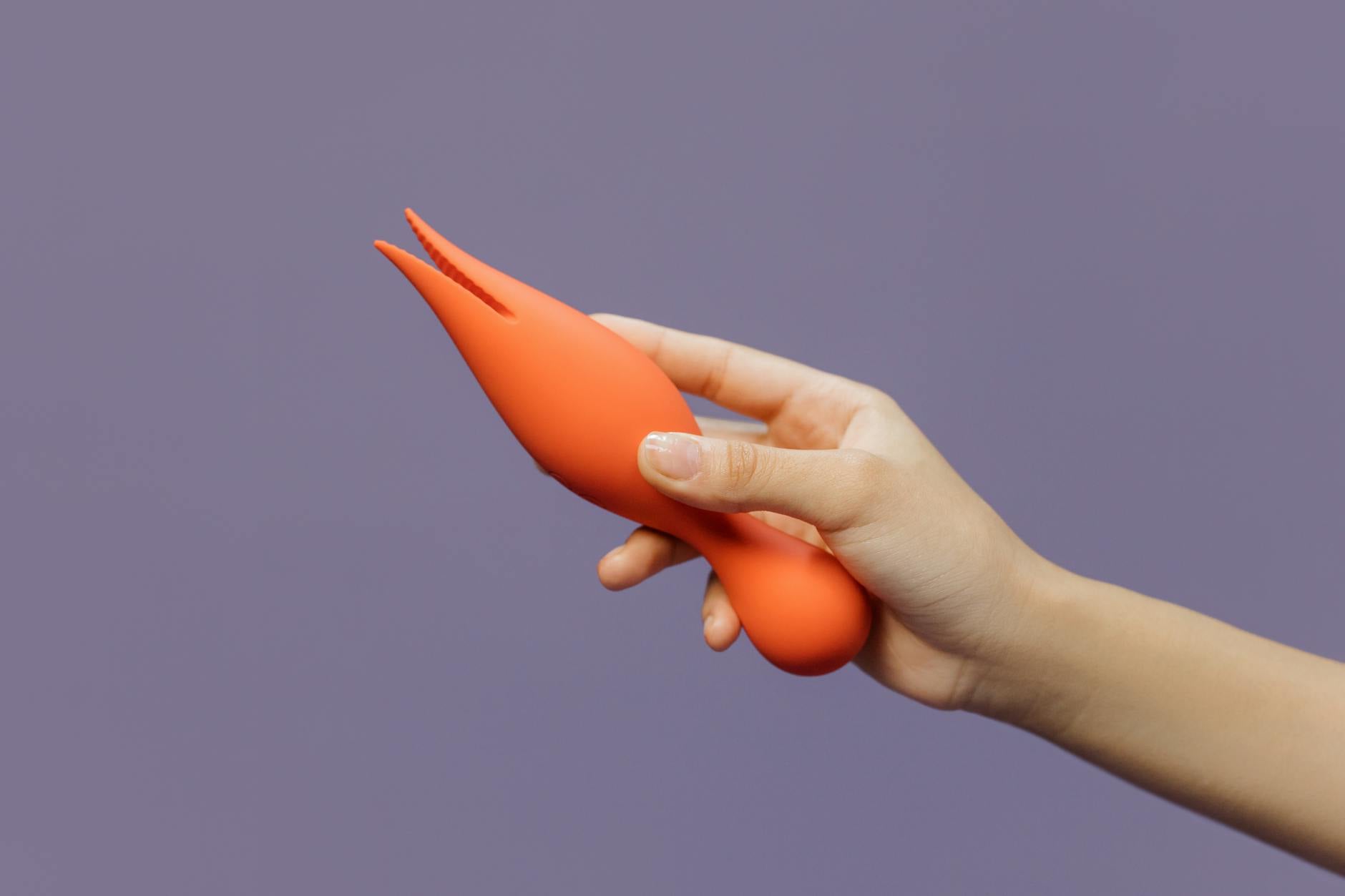
This is where solo exploration with something like a lemon clitoral vibrator becomes radically different from partnered sex. It's not about proving anything to anyone. It's about listening to your body when there's no one else in the room, no history to navigate, no one else's pleasure to consider.
The mental work that has to happen first
A lemon sucker vibrator won't heal your divorce. But it can help you separate three distinct conversations that almost always get tangled up together.
Conversation one: your body's capacity. Your clitoris didn't forget how to feel pleasure during your marriage. Your nervous system didn't lose its ability to respond. Hormones didn't vanish. The anatomy is still there. A device like the Lem can help you verify this fact through direct sensation.
Conversation two: your self-permission. This is bigger. It's the voice in your head that says you don't deserve this, or that solo pleasure is a symptom of failure in your marriage, or that wanting pleasure is somehow disloyal to the grief you're carrying. These thoughts are not facts. They're echoes of a relationship that's over. You need to actively separate yourself from them.
Conversation three: your speed. Post-divorce, rushing into either partnered sex or intense solo sessions can trigger old patterns. If your marriage involved pressure around sex, you might unconsciously recreate that by pushing yourself too hard too fast. Instead, think of this as a slow unfurling. You've got time.
Why lemon vibrators work especially well for post-divorce bodies
The lemon clitoral vibrator uses suction and air-pulse stimulation instead of traditional vibration. This matters for post-divorce healing because it offers something distinctly different from penetration or friction-based vibrators.
First, the sensation is often gentler and more diffuse than a standard vibrator. If your body has spent years either numb or defensive during sex, a lemon sucker vibrator invites response without demanding intensity. You're not fighting against a pattern of overstimulation or mechanical pressure.
Second, air-pulse technology creates a rhythm that you can control completely. No partner is determining speed or intensity. You're not accommodating anyone else's preferences. This autonomy matters more than it sounds, especially if your marriage involved any dynamic where your pleasure was secondary or negotiated.
Third, lemon vibrators are small enough to feel intimate without feeling performative. You're not pulling out a massive device. You're exploring quietly, privately, at whatever pace your nervous system can tolerate.
How to start: a practical framework
Honestly, the biggest mistake people make is treating solo exploration like it should feel amazing immediately. It won't. Your body might be rusty. Your mind might get in the way. That's normal.
Step one: create actual privacy. Not just physical privacy, but mental space where you're not waiting for a knock on the door or bracing for interruption. Lock the door. Tell yourself you have permission to do this. Some people find it helpful to set a timer so their brain knows when this ends.
Step two: start with exploration, not outcome. Forget orgasm for now. You're investigating what happens when you touch your body without an audience, without a goal, without someone else's rhythm. Use your hands first. Spend five minutes just noticing what your clitoris responds to. Is it direct touch? Indirect? What speed? What kind of pressure?
Step three: introduce the lemon vibrator at a low setting. Don't jump to maximum intensity. Start at pattern one or two. Spend time noticing the sensation. Is this different from what you remember? Is it pleasant? Neutral? Does your body relax into it or tense up? There's no right answer.
Step four: practice stopping without forcing an outcome. If you reach a point where you're done, stop. If you're bored, stop. If you orgasm, great. If you don't, that's also fine. Post-divorce bodies are sometimes learning that pleasure doesn't have to be climactic to be valuable. The point is reconnection, not performance.
Managing the emotional landmine
Something that often surprises people: as your body starts to feel pleasure again, grief and anger can flood in unexpectedly. You might be mid-session and suddenly feel furious at your ex, or sad about the years of disconnection, or ashamed that you're even exploring this.
This is not a sign you should stop. It's a sign your nervous system is waking up. These feelings are supposed to be there. Let them move through. You can pause, cry, rage, and then come back to it. Your body and your emotional life are not separate. They're both part of the same healing.
One thing I often recommend to my clients: journal afterward, even briefly. Not about performance or whether you orgasmed. Just noticing what came up. Did you feel anxious? Alive? Numb? Angry? These observations become data about what your body and mind need right now.
The timeline is not linear
Some weeks you'll feel ready and curious. Other weeks you'll feel completely shut down. Both are normal. There's no correct pace for rediscovering your own sexuality after divorce. Some people rebuild this in months. Others take a year or more. The culture wants you to feel sexy and confident again immediately. Ignore that. Real healing is slower and messier.
If you find yourself still completely unable to access pleasure after several months of gentle exploration, or if touching yourself triggers panic or dissociation, that's worth naming with a therapist. Not because anything is wrong with you, but because sometimes divorce trauma sits deeper than we think, and sometimes professional support helps you untangle it faster.
When partnered sex enters the picture again
At some point, you might want to share your body with someone again. That's a separate conversation from solo exploration. And honestly, the work you do alone with a lemon clitoral vibrator makes partnered sex better when you're ready for it.
Why? Because you'll know what you actually like. You won't be guessing. You won't be accommodating your way back into numbness. You'll have proof that your body can feel pleasure, that your desire is still there, and that you get to be specific about what works for you. That's not selfishness. That's foundation.
Rediscovering your pleasure is rediscovering yourself
Divorce often leaves you wondering who you are outside of being someone's partner. The answer lives partly in your body. Your sexuality, your desire, your capacity for pleasure. These belong to you alone. A lemon vibrator won't fix a divorce or replace therapy or undo years of disconnection. But it can be a concrete, physical way to tell your nervous system that your pleasure matters, that your body is safe, and that you're allowed to want things for yourself. That's where rebuilding starts.