The thing about bringing toys into partnered sex
Honestly, the moment you decide to introduce a lemon vibrator into your sex life with a partner is the moment you realize how much cultural baggage we carry about toys. You start catastrophizing. Your partner will think you're not satisfied. They'll feel replaced. It'll be weird. It'll ruin the rhythm.
None of that happens. What actually happens is better.
Why the fear is real (and why it's not actually about the toy)
When couples bring toys into their sex life for the first time, the anxiety isn't really about the lemon clitoral vibrator itself. It's about what the toy symbolizes: a conversation about pleasure that wasn't happening before. A moment where you're saying out loud, "Here's something that feels good to my body." And that feels vulnerable.
I see this pattern constantly in my practice. Partners aren't threatened by the lemon sucker itself. They're uncertain about what your wanting it means about the relationship, about them, about what they've been missing. The toy becomes a proxy for deeper questions: Am I enough? Are you satisfied? Are we not good enough as we are?
The antidote isn't a better toy. It's a better conversation.
The conversation that actually works
Start before the bedroom moment. Not days before, necessarily, but not during sex either. A casual moment, maybe in the car or making dinner: "I've been thinking about trying a lemon clitoral vibrator. Not because anything's wrong, but because I want to explore what feels good to my body. Would you be interested in that together?"
That's it. You're not pitching it as a solution to a problem. You're not framing it as a gift to them. You're naming it as something you want to experience, and inviting them in.
Their response matters, and it teaches you something. If they get curious and ask questions, you're in good shape. If they feel hesitant, that hesitation is real data. Don't bulldoze it. Instead, stay curious: "What are you imagining?" Often their hesitation is its own fantasy that needs untangling. Maybe they imagine you wanting to use it alone, or they're worried it means PIV sex isn't working anymore, or they think you're bored.
Name the fantasy. Then correct it gently.
What works in the moment
The first time you bring a lemon adult toy into partnered sex, two things matter: placement and pacing.
Placement: The lemon vibrator is clitoral. Your partner can't feel it the way they feel other stimulation. This means their role isn't to "make it happen." Their role is to be present while you get to have a new sensation. This distinction removes a lot of performance pressure. They're not responsible for making the toy work. You are. They're just... there, touching you elsewhere, or watching, or inside you while the vibrator works externally. That's genuinely hot for most partners once they get past the assumption that they should be doing the vibrating.
Pacing: Don't introduce it at the moment of highest arousal. Build toward it instead. You're already intimate, things are progressing, and then you reach over and say, "Can I try this?" It's permission-based and collaborative. You're not interrupting flow. You're expanding it.
The patterns that build comfort
I recommend three tiers to this:
Tier 1: You and the toy, they watch. No pressure on them to interact with the lemon sucker or figure out what to do. You're basically showing them what feels good. They can touch you elsewhere. The point is they see you in pleasure and realize the toy isn't replacing them. It's adding. That distinction rewires a lot of the fear.
Tier 2: They touch you while you use it. Now they're involved again. Maybe they're kissing you, or inside you, or running their hands over you. The toy is still your job, but they're part of the moment. This is where many couples find the rhythm works best.
Tier 3: They use it on you. This only happens if you want it and they want to try it. Some partners love having the lemon clitoral vibrator to work with. Others prefer to step back. There's no right answer. The point is you've made space for them to try without pressure.
When they feel left out anyway
Sometimes you do all of this thoughtfully and your partner still feels weird. Not in a "I'm going to withhold" way, but in a quieter way. Less engaged. Withdrawn.
That's a sign the conversation isn't done. Bring it up afterward, in a neutral moment. Not in bed, not when you're vulnerable. Maybe the next morning over coffee: "You seemed a little quiet last night. I want to make sure you're feeling good about it."
Listen without defending. Maybe they felt like the moment was about you and not them. Maybe they felt awkward not knowing where to put their hands. Maybe they got a flash of insecurity. All of that is information, not rejection.
What you're doing in these moments is exactly what partnership requires: checking in, listening, adjusting. The lemon vibrator isn't the point. The willingness to keep talking is.
The pleasure payoff
Here's what I see happen most often after couples successfully navigate this. The person with the vulva gets to experience a new kind of stimulation. Many women have never had access to consistent clitoral sensation that builds toward a deeper orgasm. A lemon clitoral vibrator changes that. And their partner gets to watch them experience something new. That's actually erotic for most people. You're not being replaced. You're witnessing someone you care about in a new kind of pleasure.
Over time, the toy becomes unremarkable. It's just part of the toolkit, the way you might reach for lube or change positions. The magic isn't in the lemon sucker itself. It's in the fact that you both made space for her pleasure to evolve, and you did it without shame or score-keeping.

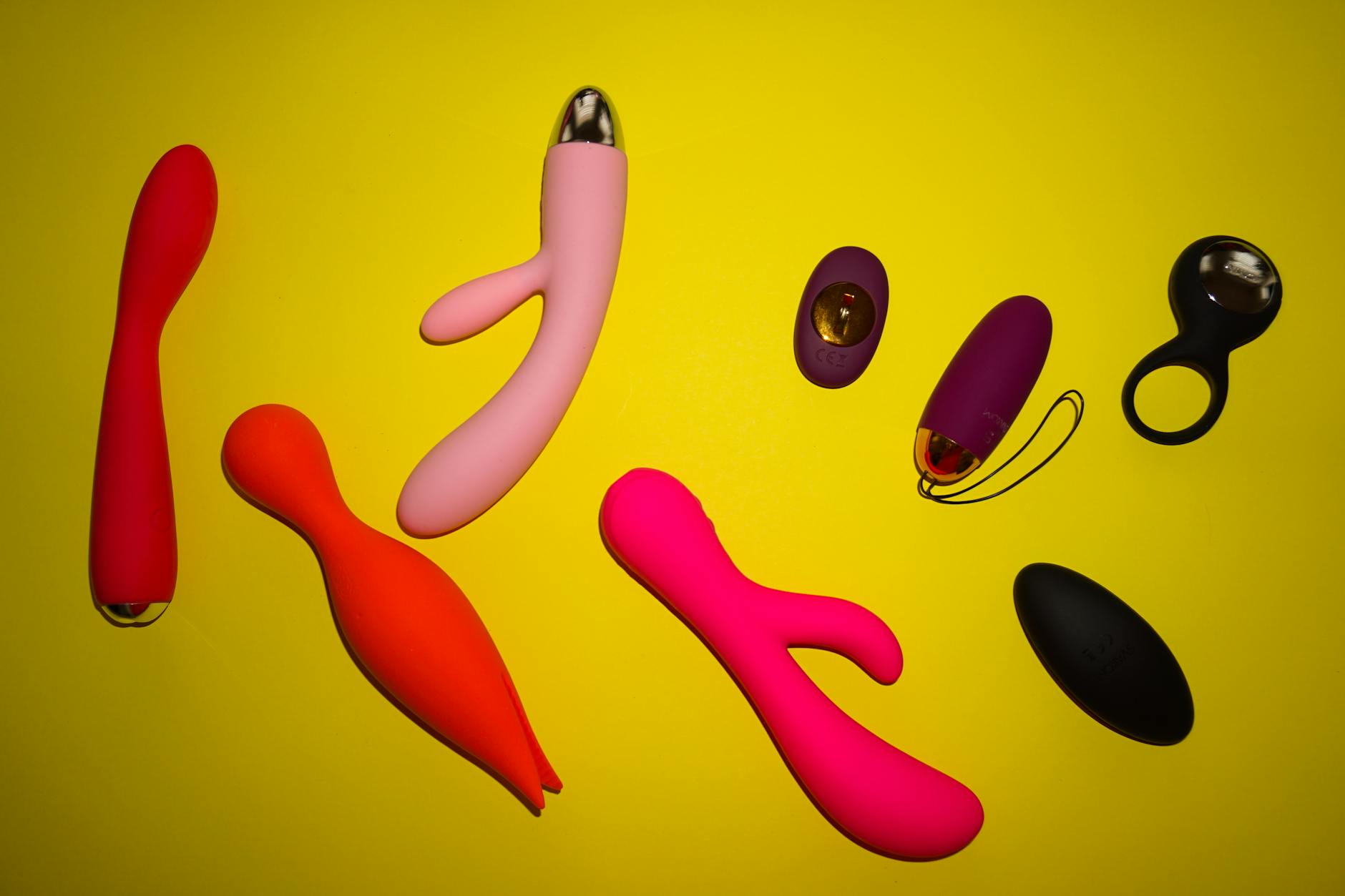
Photo by Madison Inouye on Pexels
When one partner is really resistant
Sometimes you introduce the idea and your partner says no. Not softly. No.
That's not a reason to stop wanting it. But it is a reason to understand what's driving the no. Is it moral? Religious? Have they had a past experience that makes toys feel triggering? Are they genuinely not interested in expanding their sex life, full stop?
You can't sex-toy a person into wanting to grow with you. But you can stay curious about what the no actually means. Sometimes it means "not right now." Sometimes it means "not that specific thing, but maybe something else." And sometimes it means "I'm not interested in exploring, and you need to decide if that works for you."
That last one is hard. But it's real information about compatibility. Your pleasure matters. If your partner refuses to engage with your sexual growth, that's worth naming as a relationship issue, not a toy issue.
FAQ: Lemon vibrators and partnered sex
What if my partner thinks the toy means I'm not satisfied with them?
Build the frame before you introduce the toy. "I want to explore a new sensation. This isn't about you not being enough. It's about adding something new that feels good to my body." Then show them in the moment. Let them see that your enjoyment of the toy doesn't replace your enjoyment of them. Neuroticism and pleasure aren't a zero-sum game.
Should I ask permission before bringing a lemon vibrator into partnered sex?
Yes. Not because you need their approval of your body, but because you're inviting them into an intimate moment. You're saying, "I want to try this with you. Are you interested?" That's collaborative. That's the opposite of shame.
What if my partner wants to use the lemon clitoral vibrator on me but doesn't know how?
Show them. Guide their hand. Some people like light pressure around the edges. Some like it in one spot. Some like it moving. Your body knows. Your partner probably doesn't, and that's fine. This is how you teach each other.
Can we use a lemon sucker during penetration?
Absolutely. External stimulation and internal penetration aren't competing. They're complementary. Most clitoral vibrators work best externally, so you'd position it while they're inside you. The rhythm might feel different than you're used to. That's the whole point.
What if the toy gets in the way or feels awkward physically?
That's a positioning problem, not a toy problem. Experiment. Maybe you're on top, so you control the angle of the vibrator. Maybe you're on your side. Maybe they hold it while they move. The geometry isn't fixed. You get to figure out what works for your bodies.
Is it weird to use a lemon vibrator every time we have sex?
No. If it feels good and you want it, use it. Your partner might eventually feel like they're not needed because they're not holding it. That's a conversation, not a reason to stop using it. But over time, most couples integrate it naturally. Sometimes it's there. Sometimes it's not. It becomes as unremarkable as foreplay.
The real work
Introducing a lemon clitoral vibrator to partnered sex isn't about the toy. It's about building a relationship where both people's pleasure matters enough to talk about it, adjust for it, and keep growing around it. That's the hard part. The toy is just the thing that makes the conversation concrete.
Start the conversation. Listen to the response. Stay curious about what comes up. Adjust. Try again. That's how couples move from shame to pleasure, from isolated experiences to shared ones.
Your pleasure deserves that kind of attention. Your partner probably wants to give it to you. The lemon sucker is just the bridge.