The awkward conversation nobody has
Your psychiatrist told you the medication would change your mood. They didn't mention it might change your orgasms. Between 40 and 60 percent of people taking SSRIs report sexual side effects. That's not a rare edge case. That's the actual clinical reality, and most doctors gloss right over it.
Here's what I've learned from a decade of working with couples navigating this: the problem isn't your body. The problem is that your nervous system got a gift (stability, less anxiety, actual sleep) and paid for it with delayed arousal and harder-to-reach orgasms. That's not failure. That's physiology. And it's absolutely workable.
What antidepressants actually do to pleasure
SSRIs, SNRIs, and tricyclic antidepressants raise serotonin. That's excellent for your mood. It's less excellent for the chain of events that leads to orgasm, because serotonin is a dopamine dampener. Dopamine is what builds sexual excitement. Less dopamine, less spontaneous arousal. The clitoral tissue itself still has all the nerve endings it ever had. Your brain still makes orgasm chemicals. But the spark that lights the fuse gets quieter.
Anxiety medications like benzodiazepines add a second layer. They calm the central nervous system, which is great until it comes time to activate it for sex. You need some activation. You need your heart rate up, your breathing shallow, your attention narrowed. Medication that prevents that activation also makes it harder to feel the sensations that get you there.
Some people switch medications and it resolves. Some people add a second medication to counteract the sexual side effect. Some people decide the medication is worth the tradeoff. But there's a fourth option that works for a lot of people: a tool that bypasses the arousal gap and goes straight to stimulation intensity.
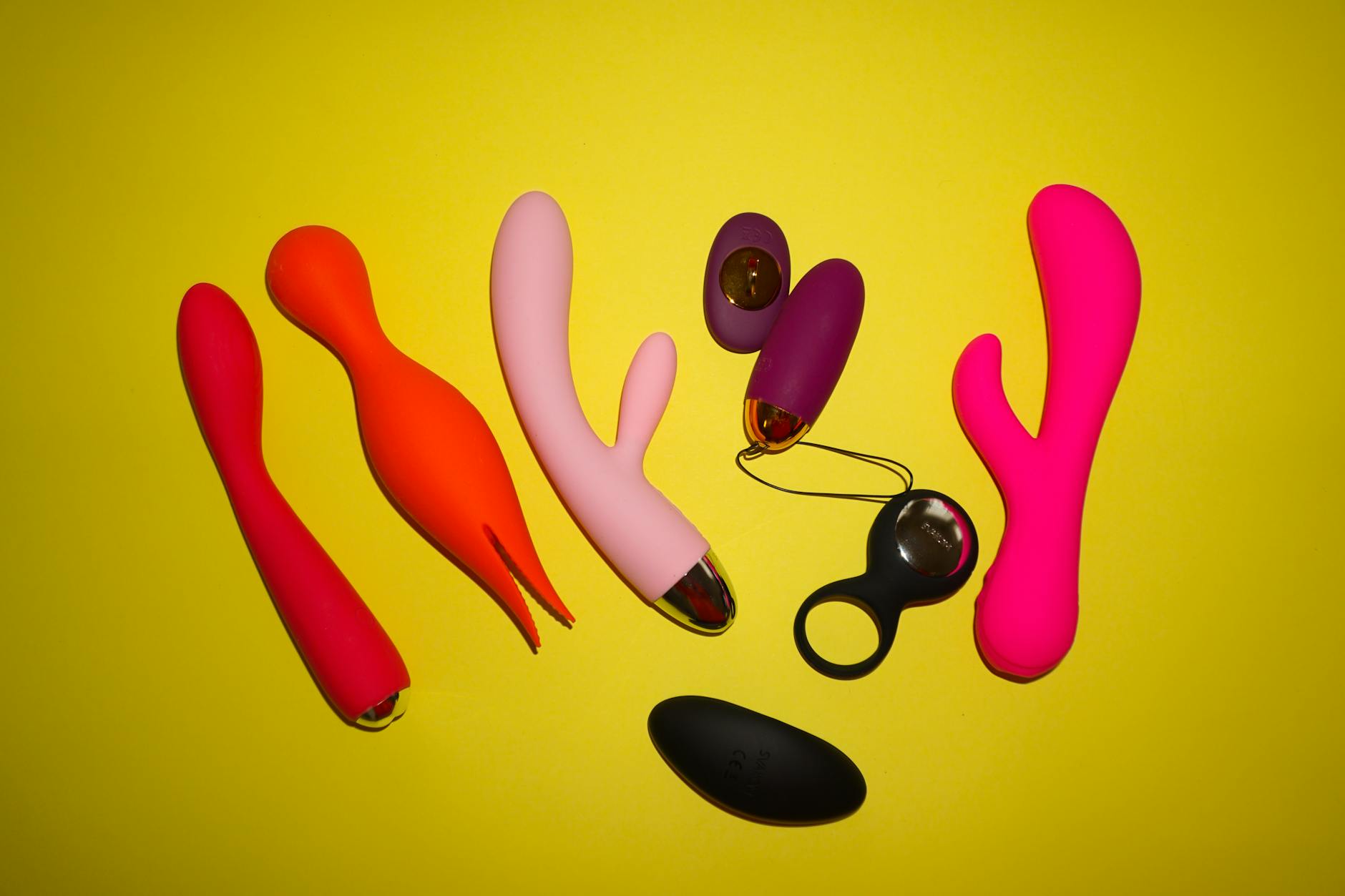
Enter the lemon clitoral vibrator.
Why suction patterns beat traditional buzz
A regular vibrator relies on you being aroused enough to feel the vibration. If medication has dampened sensation, a regular vibrator can feel like background noise. You chase harder settings. You keep chasing. Nothing lands.
Lemon suction vibrators work differently. They don't vibrate against tissue. They create a seal and pulse suction patterns that stimulate the entire clitoral network, not just the surface. The sensation is more concentrated, more directional, and more likely to cut through the arousal gap that medication creates.
In my practice, I've worked with dozens of people on SSRIs who switched to a lemon sexual toy specifically for this reason. Most reported that they could feel orgasms building again, even on doses they'd thought had permanently closed that door.
Starting with the right intensity level
If you've been on medication for a while, you're used to needing a lot of stimulation. That becomes your baseline. But when you switch to a new tool, that baseline doesn't transfer automatically.
Start at pattern 1 on a Lem vibrator or equivalent. Yes, it feels too soft. It probably is too soft. Spend 5 to 10 minutes there anyway. What you're doing is retraining your nervous system to recognize subtle sensations. After weeks on a damped dopamine system, your clitoris has gotten good at ignoring anything below a certain threshold. You're reversing that.
After a week or two of regular use at lower patterns, you'll likely notice that patterns 2 and 3 feel like a bigger jump. That's not the medication wearing off. That's your sensation coming back. From there, work up to whatever intensity actually gets you there. But don't skip the foundation phase. It matters.
Timing and the conversation with your medication
Some antidepressants hit their peak effect 2 to 4 hours after you take them. Some build up over weeks. If you notice your sexual side effects are worse at certain times of day, that's useful information. You could try using a lemon vibrator at the time of day when the medication is least concentrated in your system. That might mean morning instead of evening, or vice versa.
But here's the bigger picture: don't suddenly stop taking your medication to improve sex. That's a conversation with your prescriber. What you can do is document what you notice: "I have more sensation in the mornings" or "I notice a difference on days I take it at night." That information helps your doctor make adjustments that might work better for both your mental health and your sex life.
Some people find that a small dose adjustment makes the difference. Some find that switching to a different SSRI helps. Wellbutrin, for instance, is less likely to cause sexual side effects than Lexapro. But those conversations are between you and your psychiatrist. What I can tell you is that a lemon clitoral vibrator can buy you a lot of pleasure while you figure out what medication strategy works for your whole self.
Building sensation back into partnered sex
If you have a partner, this gets more complex because it's not just your nervous system recalibrating. Your partner might be feeling confused, rejected, or like something they did caused the shift. Most of the time, it's got nothing to do with them.
The conversation matters here. "My medication is making it harder for me to feel sensation. I'm trying some strategies. None of this is about you or how I feel about you." Then actually show them. Let them see you use the lemon vibrator. Let them watch what happens when you're getting sensation back. Some partners want to be involved. Some want to step back and give you space. Both are fine. But the mystery is worse than the reality.
Once you're feeling sensation again on your own, bringing it into partnered sex is usually easier. You can use the lemon sucker as foreplay, come that way first, then transition to partnered sex. Or you can use it during penetration. Or your partner can hold it while you're together. There's no right way. There's just what works for the two of you.
The patience part is real
Medication-related sexual side effects don't usually resolve overnight. Even after you find the right tool, it can take weeks or months to feel like yourself again. That's not failure. That's just how your nervous system works. It got used to running at a lower baseline. It needs time to recalibrate.
Most people I work with who stick with a regular practice of using a lemon vibrator report that they feel noticeably more sensation after 4 to 6 weeks. Some feel it faster. Some take longer. The variable that matters most is consistency, not intensity. Three times a week beats once a week beats "whenever I remember."
And here's the thing that surprises people: once sensation starts coming back, it usually spreads. You start feeling more in partnered sex. You start feeling more spontaneous arousal. The medication side effect doesn't go away, but your nervous system learns how to work around it. The lemon adult toy becomes less of a necessity and more of a choice because you want it, not because you need it to feel anything at all.
When to bring in professional help
If you're 8 to 12 weeks into consistent practice and nothing is shifting, that's information. It might mean the medication dose is too high. It might mean the specific medication isn't a good match for you. It might mean there's something else going on emotionally or relationally that's layering on top of the medication side effect.
That's a conversation worth having with both your prescriber and a sex therapist or counselor who understands medication side effects. The combination of adjusted medication plus targeted therapy tools plus a good vibrator fixes the problem for most people. But not all. And that's worth knowing early rather than suffering through months of frustration.
Your medication is keeping you stable. You deserve to also keep your pleasure. A lemon clitoral vibrator is one of the most direct ways to bridge that gap while you figure out what else might need adjusting.
People also ask
Can I use a lemon vibrator if I'm on multiple psychiatric medications?
Yes, absolutely. In fact, people on combination regimens often find lemon suction vibrators especially helpful because multiple medications can layer on the dampening effect. Start at the lowest intensity and give yourself permission to work up slowly. The sensation restoration usually takes a bit longer with polypharmacy, but it still happens.
Does the lemon sucker work faster than regular vibrators if you're on antidepressants?
For most people, yes. The suction pattern is more intense and more directional than traditional vibration, so it cuts through the arousal gap faster. But "faster" might still mean weeks, not days. Patience is part of the process, but most people report feeling something shift within the first 2 to 3 weeks of regular use.
What if my doctor says it's normal and I just have to live with it?
That's frustrating and unfortunately common. But you have options. You can ask for a dose adjustment, a medication switch, or an additional medication that counters the sexual side effect. You can see a different provider. And you can absolutely use tools like a lemon clitoral vibrator to work around the side effect while you're exploring those options. Your pleasure matters. Don't let a tired clinician convince you it doesn't.
Can I combine a lemon vibrator with therapy to help with medication side effects?
Yes. In fact, talking to a therapist or sex coach about the experience while you're rebuilding sensation often speeds the process. Sometimes the barrier is partly emotional or relational. A good practitioner can help you tease that apart from the pure neurobiology, and having that clarity changes everything.
Is it normal to feel nothing at first when using a lemon sexual toy on medication?
Very normal. If you've been on medication for a while, your clitoris might have adapted to ignore everything below a certain stimulus level. The first few times with a new tool can feel underwhelming. That's not the tool's fault. That's your nervous system saying it's going to need a little time to wake back up. Stick with it for at least 2 to 3 weeks before deciding it's not working.
What if my partner wants to help but I feel too self-conscious?
That's a conversation worth having beforehand, not in the moment. You might say something like, "I want to try some things on my own first to see what works, and then I'd love to explore it together." Some people find that watching or being in the room helps them feel less alone. Some people need privacy to rebuild that sense of agency. Both are completely valid. Just decide together rather than letting shame make the decision for you.
You're not broken. Your medication isn't a punishment. You're just working with a different nervous system than you did before. A lemon vibrator is a direct, effective bridge back to sensation. Combined with patience, consistency, and honest conversation with the people around you, it usually works. And if it doesn't, that's information too. But most people get there.