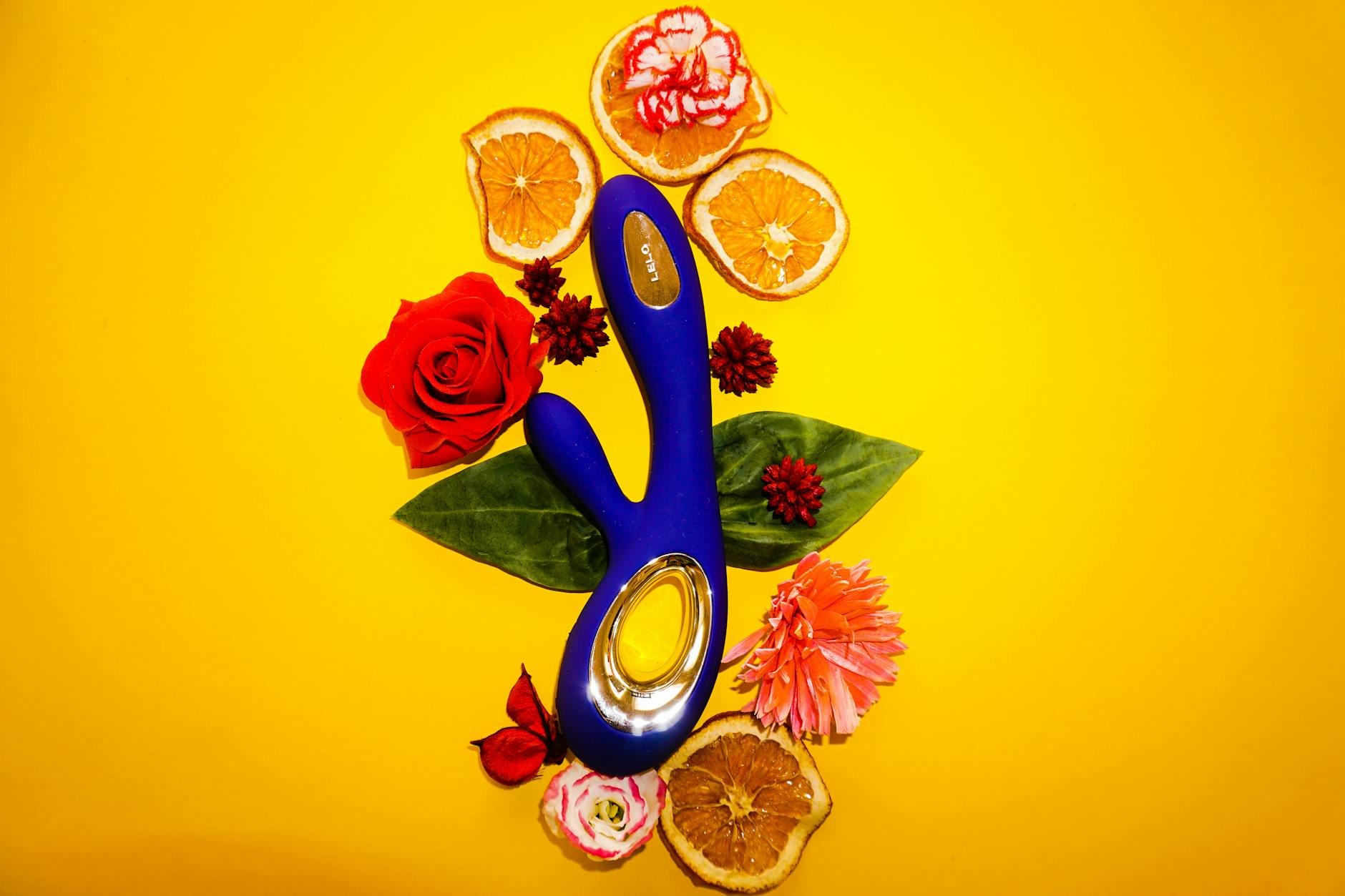
Pleasure after trauma isn't selfish. It's reclamation.
Let's start here: using a toy like a lemon clitoral vibrator after sexual trauma is not frivolous. It's not rushing. It's not minimizing what happened. It's an act of taking your body back.
Trauma disrupts the nervous system's relationship with pleasure. Your body learned to associate intimacy or sensation with danger. Rewiring that takes intentional, safe, self-directed exploration. And for many people, that's exactly where a lemon sucker vibrator comes in.
Why suction-style toys feel different for trauma recovery
Traditional vibrators create direct stimulation through friction. That can feel too intense, too invasive, or too triggering if your nervous system is still learning to trust sensation again.
A lemon vibrator works differently. Instead of vibration, it uses gentle suction that stimulates nerve endings without requiring you to surrender control in the same way. The sensation feels less like being touched and more like your own body receiving attention. That distinction matters hugely for trauma survivors.
The other advantage: suction toys are quieter, more intuitive, and require less active "performance" on your part. You're not managing another person's timing or expectations. You're simply exploring what feels safe.
The nervous system piece (this is the real work)
Trauma lives in the nervous system. When your body has learned that stimulation means danger, pleasure pathways get blocked as a protective measure. Using a lemon clitoral vibrator isn't just about the physical sensation. It's about teaching your nervous system, slowly, that touch and arousal can be safe again.
This happens in phases:
Phase 1: Exploration without pressure. Start by holding the lemon vibrator, turning it on, feeling it in your hand. No expectation of arousal or orgasm. Just sensation without the weight of performance. Many survivors skip this step and jump straight to use, which often recreates the trauma pattern of "I should be ready now."
Phase 2: Low-intensity, solo use. When you're ready (could be weeks, could be months), try the suction toy at the lowest setting, fully clothed or on the outside of underwear. This creates distance and control. You're introducing sensation without vulnerability.
Phase 3: Gradual directness. Over time, as your nervous system builds evidence that this sensation is safe, you can move to direct contact. But there's no timeline. Your body sets the pace.
How to actually use a lemon vibrator safely in recovery
Four practical rules I recommend to every client rebuilding their relationship with pleasure.
1. Create absolute physical safety first. Before you even turn the toy on, ensure you're alone, door locked, phone on silent. Trauma survivors have hypervigilant nervous systems. Even a small startle can derail the whole process. Safety isn't paranoia. It's foundation-building.
2. Start below arousal. The goal isn't to feel turned on. The goal is to tolerate sensation without panic. Put the lemon vibrator on its lowest pattern, keep it external, and notice what happens in your body without judgment. If you feel a tightening, freezing, or dissociation, pause. You're getting valuable information. Your body is telling you where the edges are.
3. Never push through discomfort to reach orgasm. This is critical. If you're using a clitoral vibrator and feel yourself "toughing it out" to reach climax, stop. You're retraumatizing. Pleasure should expand, not require endurance. If you need to stop, that's success. You listened to your body.
4. Have an exit plan. Know what you'll do after. Some survivors need to move their body (walk, stretch, dance). Some need grounding (holding ice, naming five things you see). Plan this before you start so your nervous system knows there's a transition back to normal.
The role of lubrication and comfort
Water-based lubricant isn't just about sensation. It's about control and consent. Using lube means you're actively preparing and participating in the experience. You're making a choice, not enduring.
If you're using a lemon sucker, lube isn't always necessary. But many survivors feel safer with it anyway. The act of applying it can itself be grounding. It's another moment where you're in control, deciding exactly how much pressure and what pace.
When to involve a partner (and when not to)
Some trauma survivors eventually want to rebuild sexual intimacy with a partner. A lemon vibrator can support that transition. But here's the order that actually works:
First, establish that sensation is safe alone. Second, rebuild trust and communication with your partner (often with a therapist). Third, explore the toy together if you want to, with clear boundaries about what you will and won't do.
Many partners get anxious about toys during trauma recovery, interpreting them as rejection. It's worth saying out loud: "I'm using this to heal myself. This is about me learning my body is safe again. It has nothing to do with what I want or don't want from you." Then actually mean it.
Some survivors never want partnered sex again, and that's legitimate too. The lemon clitoral vibrator can be your whole sexual life, and that's complete and valid.
What happens when you freeze up during use
Freezing is a trauma response, not a failure. Your nervous system just sent a signal: too much, too fast. The lemon vibrator isn't the problem. It's actually working the way it should. It's introducing sensation, and your body is reporting back.
When freezing happens, stop immediately. Turn off the toy. Don't panic about the panic. Breathe. Move your body. Ground yourself. Then, when you're ready (could be minutes, could be days), try again at an even lower intensity.
This is healing. It's slow. It's non-linear. And it works.
Talking to a therapist about pleasure recovery
If you're recovering from sexual trauma, a sex-positive therapist or trauma-informed counselor should be part of the process. A toy is a tool. A trained professional helps you understand why your body responds the way it does and builds a real recovery plan.
Look for someone who specializes in sexual trauma recovery, trauma-informed sex therapy, or somatic therapy. They'll help you understand the nervous system piece, validate your pace, and make sure you're not retraumatizing yourself in the name of healing.
The long view: what reclaimed pleasure looks like
Recovery isn't about getting back to where you were before the trauma. That person doesn't exist anymore. You've integrated the experience, and that changes everything.
What you're building is a new relationship with your own body. One where sensation feels like possibility, not threat. Where a lemon vibrator isn't a scary thing to endure, but a tool you've chosen and learned to trust.
That takes time. But it's absolutely possible. I've seen it happen in my practice again and again. People who thought their bodies were permanently broken come back and say, "I felt something today. It was just warmth and curiosity. Nothing heavy." That's the moment it clicks. Your nervous system learned a new pattern.
People also ask
Is it normal to feel nothing when using a lemon vibrator during trauma recovery? Yes. Numbness is a trauma response. Your nervous system shut down sensation as protection. Feeling nothing doesn't mean the toy isn't working. It means your body is slowly learning it's safe to feel again. That's the process.
Can a lemon clitoral vibrator help with flashbacks during use? Not directly. But the control, the solo environment, and the gentle suction can make flashbacks less likely. If they do happen, stop, ground yourself, and talk to a trauma-informed therapist. The vibrator is a tool, not a cure.
How long does it take to rebuild pleasure after sexual trauma? There's no timeline. For some people it's weeks. For others it's years. Your nervous system doesn't follow a schedule. What matters is that you're moving at your pace, not someone else's.
Should I tell my partner I'm using a lemon vibrator for trauma recovery? That depends on your relationship and your safety. If you're partnered and in a healthy relationship, honesty usually helps. You might say, "I'm exploring this tool alone to help myself heal. This is about my recovery, not about us." But if you're not safe being honest, that's a different conversation. Your safety comes first.
What if I have an orgasm and feel guilty afterward? That's common. Trauma survivors often internalize shame that doesn't belong to them. An orgasm is your body's way of saying, "This is safe." Trust that signal. If guilt floods in, that's something to explore with a therapist. The vibrator isn't the problem.
Can I use a lemon sucker vibrator if I have vaginismus or pelvic floor tension from trauma? Yes, but carefully. Low intensity, external use, lots of patience. Vaginismus is a protective response. The suction tool won't force anything. But a pelvic floor physical therapist trained in trauma is really the right partner here. They can help you retrain the muscles while the lemon vibrator supports the pleasure piece.
You deserve pleasure on your own terms
Healing from sexual trauma isn't about forcing yourself back into sexuality. It's about choosing, slowly and carefully, to trust your body again. A lemon vibrator can be part of that. Not because you should use one, but because for some people, it's the gentlest way to say to your nervous system: "I'm taking control. I'm safe. This is mine."
If you're doing this work and you want support from someone who understands both pleasure and trauma, that's what therapists are for. You don't have to figure this out alone. And you don't have to rush. Your healing timeline is the right one.