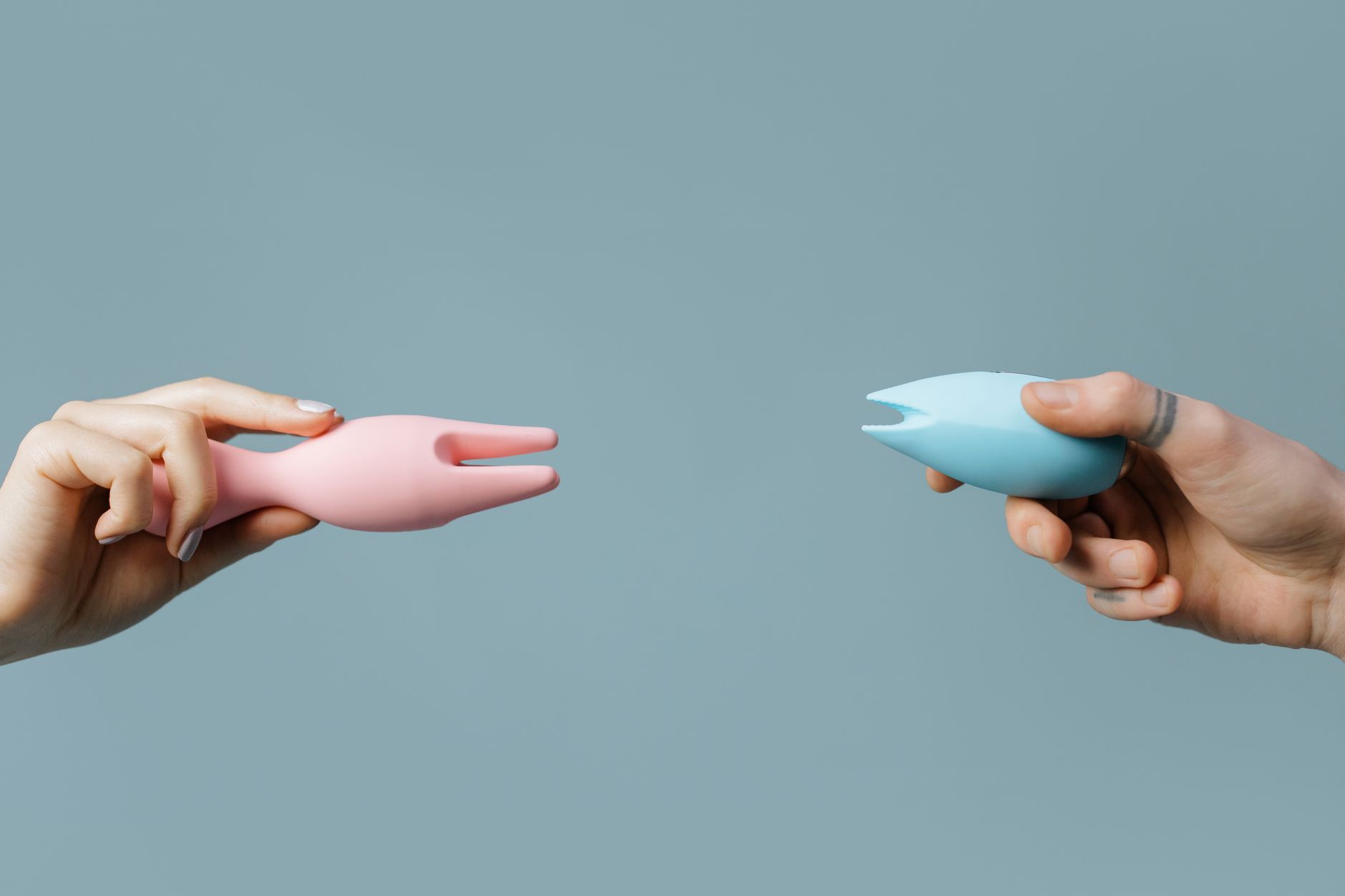
Let's talk about what perimenopause actually does to pleasure
Perimenopause is not menopause. It's not a binary switch. It's a 4-10 year conversation between your hormones and your body, full of contradictions. One month your clitoris feels hypersensitive. The next month you can barely feel anything. Your arousal timeline swings wildly. Your lubrication is unreliable. And nobody warns you about it.
Here's what I see most often in my practice: women in their 40s suddenly convinced something is wrong with them, when actually their body is just being perimenopause. The good news? Lemon vibrators, specifically clitoral suction designs like the Lem, are built for exactly this kind of unpredictability.
Why perimenopause messes with sensation differently than menopause
Menopause is a destination. Perimenopause is a turbulent flight path toward it. Your estrogen isn't dropping steadily. It's bouncing. One week it spikes and you feel everything. Three days later it crashes and your clitoris goes numb. Add in the fact that progesterone swings all over the map, your brain is rewiring itself, and sleep is terrible, and you've got a nervous system that doesn't know what day it is.
This fluctuation matters for pleasure because sensation lives in the nervous system, not just the tissues. When your hormones are volatile, your nervous system stays slightly activated. That means you might feel overstimulated by the exact pattern that felt perfect three weeks ago. Or underwhelmed by touch that used to work immediately.
Lemon vibrators designed with adjustable intensity and suction patterns give you the flexibility to match what your body needs that day, not yesterday.
The suction advantage during hormonal transition
Air-suction vibrators like the lemon clitoral vibrator work differently than traditional vibrators. Instead of direct friction, they create gentle pulling and releasing sensations that stimulate the entire clitoral network, not just the external nub. This matters hugely during perimenopause.
Why? Because the clitoris is ten times larger internally than most people realize. During hormonal fluctuation, the internal branches sometimes respond better than surface tissue. Suction technology reaches more of the clitoral structure without requiring the intense direct pressure that can feel painful or overstimulating on days when your tissues are swollen from hormone shifts.
Start on the lowest setting. Most lemon vibrators have 5-10 patterns. Use pattern 1 or 2. The sensation should feel like curiosity, not invasion. If it feels too intense, you're not broken. Your estrogen is just down today.
How to adjust your timing and warmup
Perimenopause erases the arousal timeline you've probably relied on for twenty years. You can't count on five minutes of foreplay anymore. Some days you need 30 minutes. Some days your body will never sync up, and that's not a failure. It's information.
Here's what helps: schedule pleasure when you're most rested. This matters more during perimenopause than at any other life stage. A well-rested nervous system aroused faster than an exhausted one. If you're consistently using the Lem or another lemon clitoral vibrator in the evening when you're running on fumes, the tool isn't the problem. Your baseline is.
Warm up your body first, not just your genitals. A hot shower, movement, stretching. Something that signals to your nervous system that this is safe time. Twenty minutes of calm before you introduce the vibrator gives your body permission to respond.
Lubrication strategies that match perimenopause realities
During perimenopause, your natural lubrication becomes erratic. Some days you're fine. Other days you're bone dry. This isn't because you're not aroused. It's because your tissues are literally producing less because estrogen is fluctuating.
Use water-based lubricant generously. Not because you're broken, but because your nervous system will relax better knowing there's slip. The physical ease removes a barrier to arousal. My clients report that when lubrication is handled, the rest of the response comes more easily.
Apply lube before you start, not during. Cold lube that you add mid-session interrupts sensation and pulls you out of focus. Warm lube applied at the beginning becomes part of the experience, not a pause.
If you're using a lemon vibrator specifically, silicone-based lubricants can degrade the device. Stick with water-based. Reload frequently. Friction resistance on a clitoral vibrator during perimenopause means you need more slip, not less.
Dealing with overstimulation on high-hormone days
When estrogen spikes mid-cycle, many people experience what feels like extreme sensitivity. The clitoris can feel almost painfully responsive. This is not the time to go to pattern 6 on the lemon vibrator. This is the time to drop to the absolute lowest setting, or to skip the device and use your hands instead.
Your nervous system is already overloaded. Adding intense stimulation on top of a hormone spike can feel like an assault, not pleasure. The solution is paradoxical: less intensity actually builds more sensation and longer-lasting orgasms on these days.
If suction feels too much, try rhythmic tapping instead. Hold the vibrator off your body and let it pulse gently against your hand, which then touches your clitoris. It sounds strange, but it dampens intensity while keeping the sensation alive. This kind of flexibility is why having a variable-intensity clitoral vibrator matters.
Navigating low-sensation days and what they mean
Then come the low-estrogen days. Your clitoris is there. You know it's there. You just can't feel it. This is frustrating and weird and completely normal during perimenopause.
On these days, stop expecting sensation to appear. Instead, build it. Use the lemon vibrator at a slightly higher intensity than usual. Not because you're chasing numbing, but because you're trying to cross the threshold where neural signals actually fire. Longer sessions help too. Five minutes might not work. Fifteen might.
This is also when internal stimulation sometimes feels better than external. If your clitoral sensation is muted, your vaginal sensitivity might be keener. A wand vibrator or another design might feel more responsive that day. Variety in your pleasure toolkit matters more during perimenopause than at any other time.
The hardest part is not personalizing it. "My body isn't working" is not true. Your body is working differently. That's not failure.
The nervous system piece nobody talks about
Hormones don't work alone. During perimenopause, your nervous system is also changing. Your baseline stress sensitivity increases. Your sleep is disrupted, which means your parasympathetic nervous system (the relaxation system) is under-resourced. This is crucial context for pleasure.
You can't vibrate your way out of a stressed nervous system. So the Lem or another lemon clitoral vibrator works best as part of a context where you're also managing your nervous system. That means sleep quality, movement, time away from blue light before play, and ideally, a partner or yourself creating actual psychological safety.
When you use the device while anxious or sleep-deprived, you're asking your body to do something its baseline nervous system isn't resourced for. No vibrator can overcome that. But when you use it within a calmer context, the device becomes a tool that works with your system, not against it.
When to bring a partner into the adjustment
If you're partnered, this transition affects both of you. Your partner might feel confused when the intensity that worked forever suddenly feels wrong. You might feel frustrated that your own body is unreliable.
The most useful conversation isn't about the vibrator. It's about this: "My hormones are shifting. That means my pleasure needs are going to change week to week. I'm learning what works. When I need something different, that's not about us. That's about my body navigating a new phase." That frame prevents your partner from taking the shift personally.
Then bring the tool in together. Let them see the lemon vibrator. Use it with them present sometimes. Let them apply the lubricant. The intimacy of navigating this with someone else actually makes the transition feel less lonely.
Common questions about lemon vibrators and perimenopause
Why is suction better than vibration for perimenopause-related sensitivity shifts?
Vibration is relentless. It hits the same spot at the same intensity. Suction creates a pattern of pulling and releasing that mimics hand stimulation more closely. This variation actually reduces overstimulation fatigue, which matters when your nervous system is already volatile from hormonal shifts. You can orgasm and keep going, rather than hitting a wall of numbness after one orgasm.
Can I use the Lem if my clitoral tissue is already swollen from hormones?
Yes, but start on the lowest setting. Swollen tissue means the clitoris is already engorged and sensitive. You need less stimulation to achieve response. The adjustment isn't physical restriction. It's pattern and intensity matching your current tissue state. Some days you'll be at level 1. Other days level 4. Both are fine.
What if the lemon vibrator feels too intense even on the lowest setting?
Use it indirectly. Place the vibrator against your labia or pubic mound and let the vibration travel down. You're still getting the sensation, but filtered through more tissue. This is a legitimate technique, not a workaround. Many people prefer it during high-hormone days regardless of perimenopause.
Should I use different lemon sexual toys at different points in my cycle during perimenopause?
Wild card answer: maybe. Perimenopause cycles are erratic, so predicting your hormone phase is unreliable. But yes, if you notice pattern matching (high sensitivity in week 2, numbness in week 3), then yes. Have a few options. The Lem for when you need adaptability. A wand for deeper internal sensation on different days. The variety itself is the strategy.
How do I know if what I'm experiencing is perimenopause or something else?
Fluctuating sensation over weeks, irregular periods, night sweats, mood shifts, and sleep disruption are classic perimenopause. But talk to your doctor. Low thyroid, medication changes, stress, diabetes, and other conditions also affect sensation. Get clarity on the cause. Then use the right tool for it. If it is perimenopause, the lemon clitoral vibrator becomes much more useful once you're not also chasing a missing diagnosis.
Is it normal to need more stimulation during perimenopause?
Completely. As estrogen drops, your nervous system requires slightly more stimulus to fire the same neural pathways. This isn't about getting "used to" the vibrator. It's physiology. That's exactly why variable-intensity lemon adult toys exist. You're not broken. You're just in a phase where your nervous system has different signal requirements.
The permission piece
Perimenopause often arrives with this unspoken idea that you should be grateful for the fact that you still have pleasure at all. You're watching your friends struggle. You're reading articles about frigidity and drying up. You're maybe getting older and feeling invisible.
That context can make it hard to actually invest in pleasure during this transition. But here's what I want to be clear about: you deserve tools that work for your body right now. Not your body at 25. Not your body in menopause. This body, today, with these nervous system needs and these hormonal realities.
A lemon vibrator, a lemon clitoral suction device, whatever tool you choose, isn't a luxury. It's an investment in staying connected to yourself through a phase where that connection gets weird and inconsistent. That matters. And you get to prioritize it.
If you're navigating this phase with a partner, communication around these changes is crucial. Some couples find that this transition actually deepens intimacy. Others discover disconnection they didn't know was there. Either way, the Lem or another lemon vibrator becomes a conversation starter and a tool for rebuilding sync. You might also find it helpful to explore how you're both adjusting to these shifts. This is often about more than just sensation. It's about the entire relationship during a time of bodily and hormonal change.
If you're in a specific dynamic or navigating additional complexity, talk to someone who understands both sexuality and relationships. That's where real depth happens.