Here's the thing nobody talks about
Libido mismatch is one of the most common reasons couples stop having sex together, yet it's the one thing almost nobody brings up in conversation. One partner wants sex twice a week. The other is fine with twice a month. Nobody's broken. Nobody's being selfish. You're just operating on different frequencies, and that gap can turn into resentment fast.
I've seen this pattern countless times: the higher-desire partner starts feeling rejected. The lower-desire partner starts feeling pressured. Both of them shut down. Sex stops happening for anyone, and suddenly the relationship feels hollow.
Lemon vibrators and clitoral vibrators in general can actually interrupt this spiral. Not as a replacement for partnered sex, but as a way to keep your own pleasure alive while you figure out what's actually going on underneath the desire mismatch.
Why libido gaps happen (and why it's rarely what you think)
The lower-desire partner isn't necessarily less attracted to you. Libido is fragile. It tanks with stress, medication, depression, untreated sleep apnea, hormonal shifts, and unresolved anger. Sometimes it's just the body's way of saying "something in this relationship doesn't feel safe right now."
I once worked with a couple where the wife's libido had vanished. Her husband assumed she wasn't attracted to him anymore. Turned out she'd been handling 85% of the household load and felt invisible. Her body wasn't saying no to him. It was saying she had no energy left after managing everyone else's needs.
The point: low libido from your partner isn't about you. And you maintaining your own pleasure isn't selfish. It's actually one of the healthiest things you can do for the relationship.
Solo pleasure as a bridge, not a wall
Here's where lemon vibrators come in. Using a lemon clitoral vibrator for solo pleasure does something unexpected. It removes the pressure from your partner. You're no longer waiting for them to want sex. You're no longer initiating and getting turned down. You're taking your pleasure into your own hands, literally, which somehow makes the whole dynamic less tense.
Then something shifts. Because you're not coming to your partner from a place of rejection and frustration, conversations become easier. You can actually talk about what's going on without it feeling like a complaint.

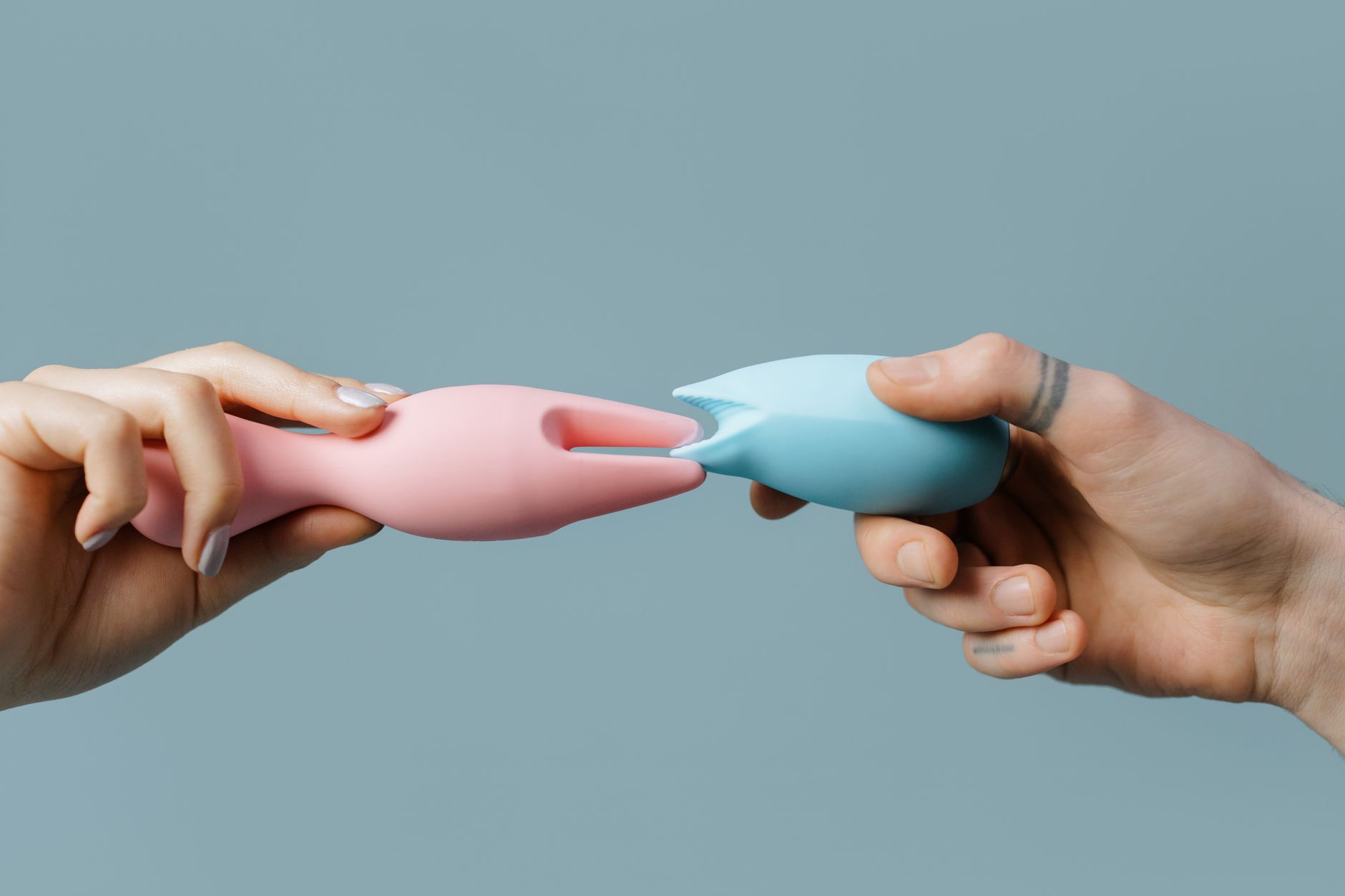
Photo by FounderTips on Pexels
I recommend being open about this with your partner. "I'm going to start using a lemon vibrator for solo pleasure because I need to maintain my sexual health, and this takes the pressure off us both." Not as a threat. As information. Most partners actually feel relieved when they hear this.
Using a lemon clitoral vibrator solo when your partner isn't interested
There's a specific way to approach solo pleasure with a lem vibrator when you're in a mismatched-libido relationship. You're not trying to get off despite your partner. You're trying to maintain connection to your own body.
Set a time that works for you. Not sneaking around. Not defensive. Just a regular part of your week, like exercising. The more normalized it is, the less shame creeps in.
Start with pattern 1 or 2 on your lemon vibrator. This isn't about speed. It's about reconnecting with sensation. Suction-style lemon sexual toys work really well here because they don't require pressure. You can lie back and let the sensation build without any effort.
The key is presence. Put your phone away. Notice what feels good. Because when your partner eventually does want to be intimate with you again (and libido usually does shift once the pressure releases), you'll actually know what you want instead of being grateful for whatever attention comes.
What this actually does to the relationship
Using a lemon vibrator solo doesn't fix a libido mismatch. But it stops the death spiral. Because you're not broadcasting "I'm frustrated and rejected," your partner isn't broadcasting "I'm pressured and inadequate." You're both just existing in less defensive postures.
Then, when you do bring up the conversation about what's actually going on with their desire, you're not doing it from a place of blame. You're doing it from curiosity. And that matters enormously.
The conversation you actually need to have
Once you've taken some of the pressure off with solo pleasure and a lemon clitoral vibrator, the real work starts. You need to find out why their libido is low. Is it stress? Is it medication? Is it that they're angry about something and don't know it yet? Is it that they've never actually enjoyed sex and nobody's asked?
I usually suggest framing it this way: "I've noticed your libido seems lower, and I'm wondering what's going on underneath that for you. I'm not trying to fix it or pressure you. I just want to understand."
Then listen. Actually listen. Don't jump to solutions.
Sometimes the answer is "I need to see a doctor." Sometimes it's "I need us to go to therapy." Sometimes it's "I need to feel more respected in other parts of our relationship first." Once you know, you can actually address the real problem instead of just trying to want each other at the same frequency.
What if they feel threatened by your solo pleasure
Some partners get weird about you using a lemon clitoral vibrator for solo pleasure. They take it personally. They feel like it's a referendum on them.
This is worth addressing directly. "Using a vibrator isn't about you. It's about me maintaining connection to my own body while we figure out what's going on with desire." If they remain threatened, that's actually useful information. It means there's insecurity or control stuff happening that therapy could help with.
You're not wrong for wanting solo pleasure. Full stop.
When to involve a professional
If you've had the conversation, nothing has shifted, and the gap feels like it's widening, couples therapy helps. A good therapist can identify whether the low libido is about the relationship, about anxiety, about hormones, or about something else entirely. They can also help you navigate what it means if libidos genuinely can't be reconciled.
For some couples, the answer is that one partner is asexual or just has lower desire, and that's how the relationship works. For others, the libido gap signals something deeper that therapy can address. The point is you don't have to white-knuckle this alone.
The middle ground
Using lemon sexual toys for solo pleasure when your partner has low libido isn't settling. It's not giving up on partnered sex. It's a practical middle ground that keeps your sexuality alive while you work on the actual relationship stuff. Because libido mismatch isn't usually about toys or techniques. It's about safety, stress, resentment, and sometimes just body chemistry.
The lemon vibrators in your nightstand won't fix the mismatch. But they'll keep you connected to your own pleasure, which somehow makes the whole relationship feel less desperate. And that shift, oddly, is often what makes the real conversation possible.
FAQ
Can using a lemon vibrator solo damage my relationship?
No. In fact, maintaining your own pleasure usually strengthens relationships. It removes the pressure from your partner to be your only source of sexual satisfaction. If your partner is threatened by your solo pleasure, that's a separate issue worth exploring in therapy, but the vibrator itself isn't the problem.
Should I tell my partner I'm using a lemon clitoral vibrator for solo pleasure?
Yes. Honesty reduces resentment. You don't need to make it dramatic. "I'm going to start using a vibrator for solo pleasure because it helps me stay connected to my body" is sufficient. Secrecy tends to create more distance.
What if my partner's low libido is because they're depressed?
That's actually common. Depression flattens desire. If you suspect depression, gently suggest they see a doctor. This isn't something solo pleasure or a better vibrator will fix, but treatment often restores libido significantly.
Is it weird to use a lemon vibrator when you have a partner but they're not interested in sex?
Not at all. You have a body. That body has needs. Meeting those needs solo is normal and healthy. The word "cheating" only applies to partnered sexual activity with someone else, not to solo pleasure.
How often should I use a lemon sexual toy if my partner has low libido?
As often as feels good. There's no rule. Some people use lemon vibrators a few times a week. Others once a month. The key is that it feels like self-care, not desperation.
Can using a clitoral vibrator help my partner understand what I need sexually?
Sometimes. If you use a lem vibrator during partnered sex or foreplay, your partner can see what works for you. But more importantly, understanding your own pleasure first makes it easier to communicate what you want. Many people don't actually know what gets them off until they've explored solo.
When libido gaps can actually improve
Here's what I know from decades of working with couples: most libido mismatches improve once the pressure releases and the actual issue gets identified. Sometimes it takes therapy. Sometimes it takes a doctor's visit. Sometimes it just takes knowing that you're not the problem.
Using lemon vibrators and other clitoral vibrators solo gives you space to maintain pleasure while you figure out the real stuff. It keeps you from becoming resentful. It keeps your body from checking out. And honestly, it's one of the smartest moves a higher-desire partner can make when facing a desire gap.
If you want support working through relationship dynamics and intimacy patterns, reach out to us. We're here.