The plateau is real, and you're not broken
Here's the thing about orgasm plateaus: they're actually a sign your body is working exactly as it should. You're building arousal, your nervous system is ramping up, everything feels good. Then something happens. You hit a ceiling. Your arousal holds steady, maybe even dips a little, and no matter what you do, you can't quite push through to release. It's maddening. And it's way more common than anyone talks about.
I've worked with hundreds of people who describe this exact frustration. Most assume something's wrong with them. The truth? Your body has just gotten used to the stimulation pattern you're using.
Why your nervous system stops climbing
Your arousal builds through something called the "excitement phase." Your heart rate rises, blood flow increases to your genitals, you feel sensation intensify. But here's where it gets interesting: your nervous system is also adapting in real time. If the stimulation stays exactly the same, your nerves stop registering it as novel. Same pressure, same rhythm, same location, same everything. Your brain says "okay, I've categorized this" and the climb flattens.
This is called sensory adaptation, and it's not a flaw. It's how your nervous system conserves energy. The problem is that orgasm requires ascending stimulation. You need the input to change just enough to keep your arousal climbing. Once it plateaus, you're stuck.
With traditional vibrators, you're often limited. You can turn up the intensity, but that's about it. The vibration pattern stays consistent. The location of stimulation stays fixed. Your body has nowhere new to go.
Lemon suction technology works differently. The sensation itself changes even when you hold the device perfectly still.
Why lemon clitoral vibrators break plateaus
The suction mechanism of a lemon vibrator creates a rhythm that feels genuinely different than straight vibration. Each pulse creates a micro-release and re-suction, which gives your nervous system a changing stimulus. Your clitoris experiences pressure, then release, then pressure again. That variation is what keeps arousal ascending.
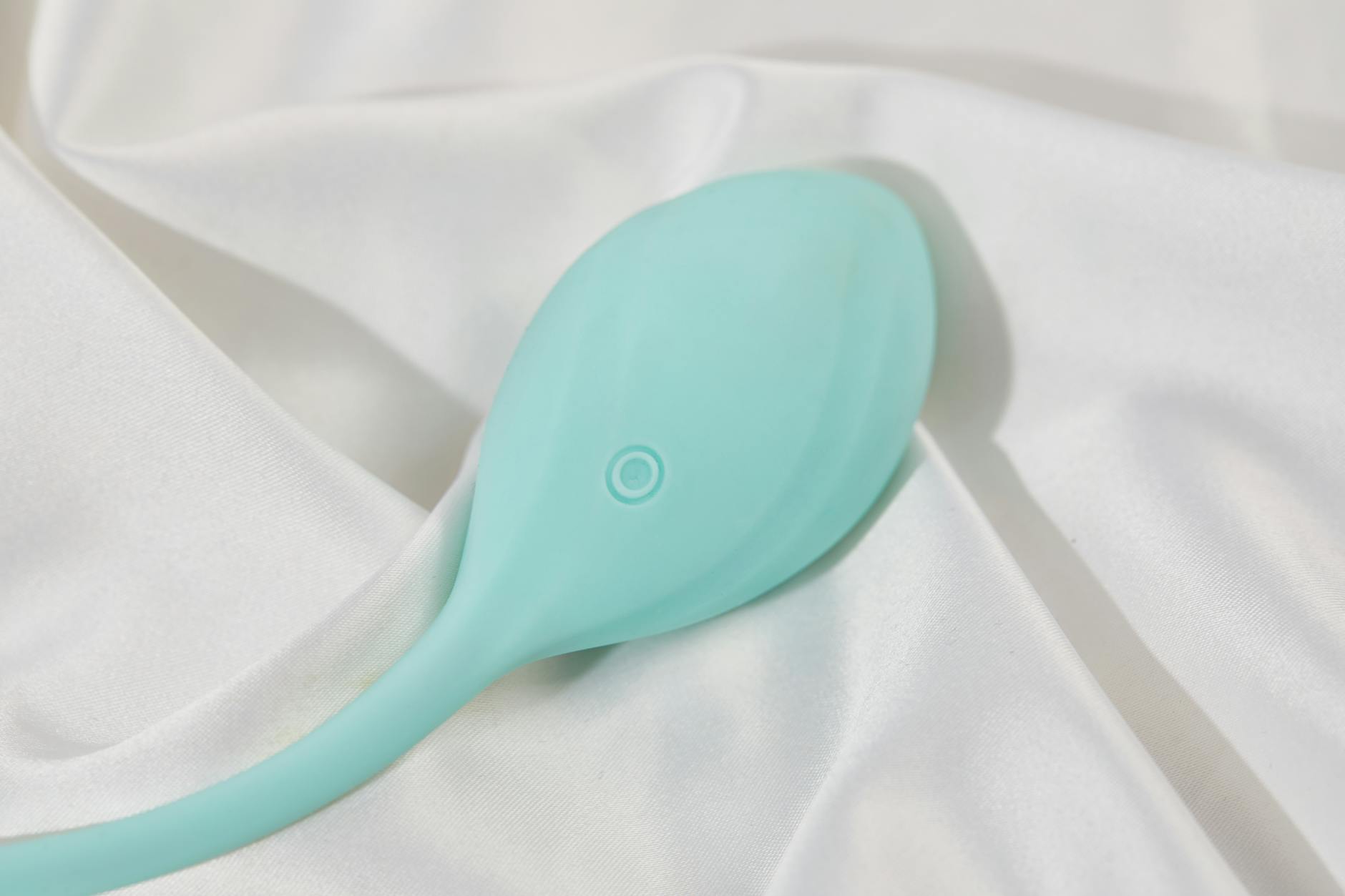
Here's the practical difference: with the Lem or other lemon suction toys, you're not just relying on vibration speed to push you toward climax. You're using rhythm, pressure waves, and the sensation of suction itself. That means you have multiple variables to play with. You can stay on one intensity level but switch patterns. You can move the device position slightly. You can adjust your angle. Each variable gives your nervous system something new to track.
I had a client who'd been plateauing for months. She'd get close, feel that ceiling, and couldn't get over it. When she switched to a lemon vibrator and, more importantly, started changing patterns instead of just turning up the speed, everything shifted. Not because her body suddenly worked better, but because she was giving her nervous system the variation it needed to keep climbing.
The technique shifts that make the difference
Understanding why plateaus happen is half the battle. The other half is knowing exactly what to do about it. Here are the moves that actually work.
Start slower than you think you should. Most people jump straight to high intensity, thinking they'll climb faster. You won't. You'll hit the ceiling faster. Beginning at pattern 1 or 2 on your lemon vibrator gives your nervous system room to escalate. Your body needs to feel progression, not just power.
Change patterns before you plateau, not after. Here's the mistake: waiting until you feel stuck and then frantically switching things. By then your nervous system has already adapted. Instead, deliberately change your pattern every 30-45 seconds. Move from pattern 1 to pattern 2. Then to pattern 3. You're staying ahead of adaptation instead of chasing it.
Shift location slightly as you climb. Not dramatically. Just a millimeter or two. Your clitoris has thousands of nerve endings, and they're not all identical. Moving the tip of your lemon vibrator even slightly changes which nerves fire. Small shifts, small variations. That's the signal your arousal needs.
Sync your breathing to the rhythm. This sounds separate from the device itself, but it's not. Your nervous system is tracking both. When you match your breath to the pulse of your lemon suction vibrator, you create coherence in your body's signals. In-breath as the suction builds, out-breath as it releases. This keeps your arousal climbing instead of plateauing.
What's actually happening during a plateau
I want you to understand this at a deeper level because it changes how you approach the problem. During arousal, your parasympathetic nervous system is engaged. You're in rest-and-digest mode, but amped up. That's the state that allows pleasure to build. But if stimulation becomes predictable, your sympathetic nervous system starts to engage. That's your fight-or-flight system. It's trying to protect you from stimulus that feels monotonous or like a threat.
Once your sympathetic nervous system kicks in, orgasm becomes harder. Your body literally shifts out of the state required for climax. You don't push harder to overcome this. You shift the stimulus so your body stays in parasympathetic arousal.
This is why lemon vibrators are particularly useful for plateaus. The complexity of suction plus vibration plus pattern variation keeps your parasympathetic system engaged longer. You're not fighting monotony. Your body keeps perceiving the stimulus as novel and worth climbing toward.
The timing piece nobody mentions
Here's something most guides skip: when you plateau matters. If you plateau five minutes in, you have a different problem than if you plateau after 20 minutes. The earlier plateau usually means your stimulation isn't complex enough. The later plateau usually means you need a recovery break.
If you're hitting a ceiling after 15-20 minutes of consistent pleasure with a lemon vibrator, try this: ease off completely for 30-60 seconds. Let your arousal dip slightly. Then restart at a lower pattern. You're essentially resetting your nervous system's adaptation baseline. Then climb again, changing patterns as you go. Often this creates a second wave that pushes you over the edge.
If you're plateauing at five minutes, it's different. You need more stimulation complexity from the start. That's where lemon clitoral vibrators shine compared to simple vibrators.
Working with a partner through plateaus
If you're dealing with this alongside someone else, the conversation matters. "I plateau when we do this" is information. "I need you to change what you're doing" can feel like criticism if it's not framed right. What actually works: "I want to try something different. Can you switch to pattern 2 when I signal?" You're collaborating on a solution, not pointing out a problem.
With a lemon suction toy, you can do this solo and tell your partner exactly what worked. "I figured out that pattern 3 on the Lem gets me there faster." That's useful data. Or they can hold the device and you guide them through pattern changes. The beauty is you have options that don't exist with simpler vibrators.
When plateaus signal something else
Most plateaus are just sensory adaptation. But sometimes they signal something deeper. If you're consistently plateauing even with stimulation variation, and nothing else has changed in your life, it's worth checking a few things. Are you stressed? Hormones shifting? Medication side effects? Relationship tension that your body's holding? These are real factors that change your neurological capacity for arousal. A better lemon vibrator won't fix them, but awareness will help you address the actual issue.
Most of the time though, plateaus are just your nervous system saying "I need something different." And that's solvable. Usually in one or two sessions once you know what to do.
People Also Ask
How do I know if I'm actually plateauing or just close to orgasm?
The difference is progression. If you're still climbing in arousal, your heart rate's rising, your breath is quickening, you're approaching. That's not a plateau. A true plateau feels flat. Your arousal stays at the same level even with continued stimulation. Your body feels like it's not moving forward. You'll know the difference when you feel it. Once you do, you know it's time to shift patterns or location.
Can the same lemon vibrator pattern that got me to the edge again the next time?
Probably not, or at least not as effectively. Your nervous system adapts within sessions and also across days. Pattern 3 might have worked beautifully yesterday. Today you might need to start at pattern 1 and climb through 2, 3, and 4. This isn't a step backward. Your body's just protecting itself from monotony. Treat each session as new.
Do intensity levels matter more than patterns for breaking plateaus?
Actually, no. This surprises most people. Intensity is one variable. Patterns, rhythm, location, and timing are equally important. I've seen people get stuck at the highest intensity level because they're not varying the pattern. Then they dial back and add pattern variety, and suddenly they're climaxing. It's the variation, not the power.
Is plateauing with a lemon vibrator different than with other toys?
Yes and no. Plateaus happen with any toy if you use it the same way every time. But lemon clitoral vibrators have more built-in variation because suction creates rhythm changes that traditional vibrators don't. You have more tools to work with, which means more ways to prevent and break plateaus. If you're chronically plateauing with other toys, a lemon vibrator often helps because you're not fighting simple monotony.
How long should I stay at each pattern before switching?
There's no magic number, but 30-45 seconds is a good starting point. Some people like 20 seconds, some like a minute. The key is switching before you feel stuck, not after. If you wait until you're fully plateaued, you're already behind your nervous system's adaptation curve. Experiment and notice what works for your body. You're learning its language.
If plateaus are normal, why does mine feel broken?
Because you've probably never had good information about why it's happening. Your body isn't broken. It's working exactly as designed. That mechanism, sensory adaptation, keeps you safe in everyday life. During pleasure, it just means you need stimulation variation. That's not a flaw. That's data. Use it.
What's actually possible on the other side
Most people who break through a plateau for the first time describe it as different from orgasms they've had before. It feels more complete. Longer. Sometimes more intense, sometimes not, but definitely more satisfying. That's because you've given your nervous system the complexity it needs to actually complete the arousal cycle instead of getting stuck halfway up.
You're not broken. You just needed better information and a toy that gives you more variables to work with. Once you understand why plateaus happen and you have the tools to shift through them, they stop being frustrating obstacles. They become part of your body's communication. Listen to it.