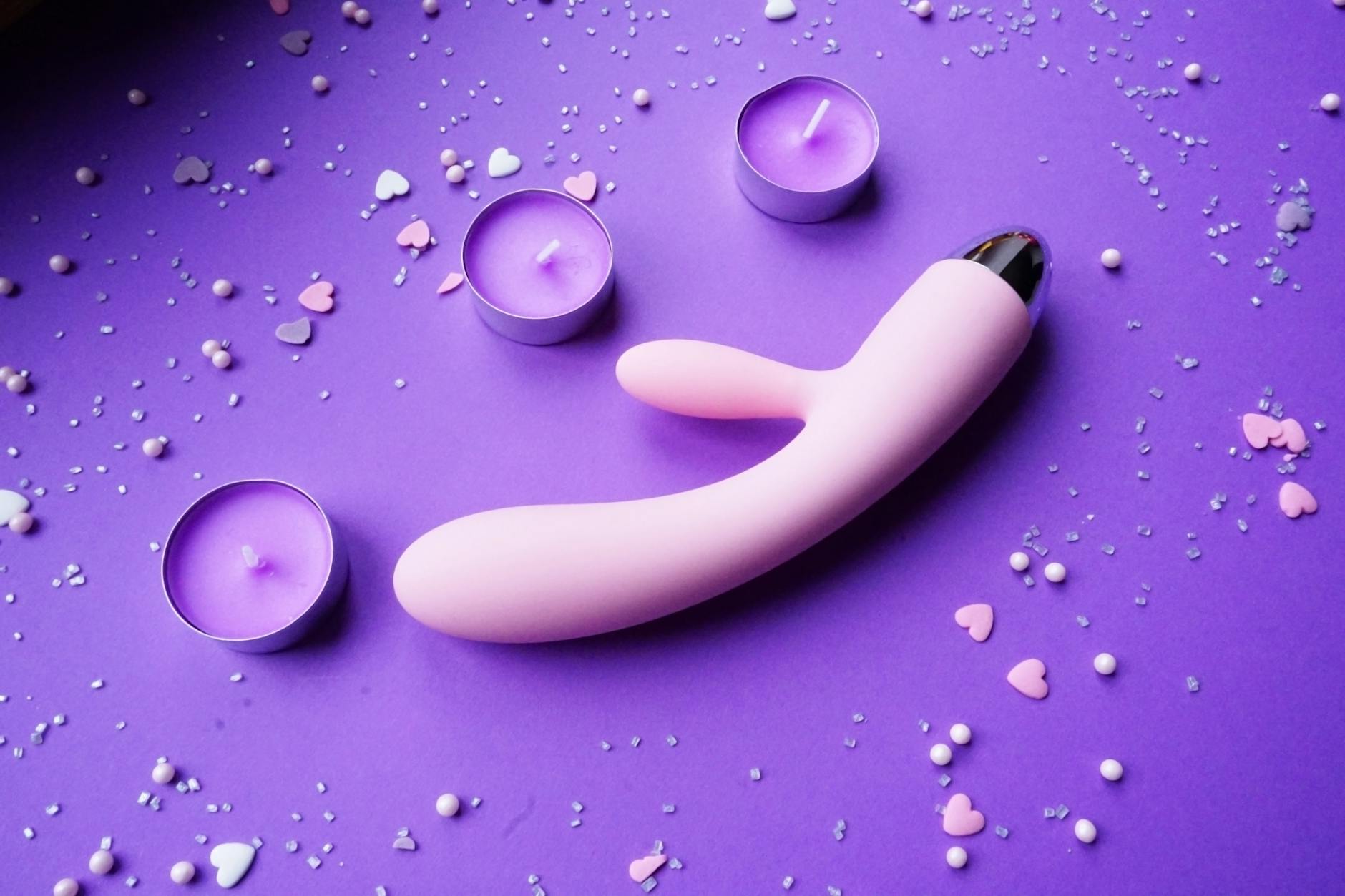
Why Lemon Vibrators Are Better for Vaginal Dryness and Hormonal Changes
Honestly? Most of what you've read about vibrators and dryness is incomplete. The real story is about physics and tissue, not motivation or lack thereof.
When hormones shift, tissue changes. And not all vibrators respond to that change equally. Lemon suction vibrators, including the lemon clitoral vibrator design that Hello Nancy makes, work fundamentally differently on dry, thin, or hormonally shifted tissue than traditional bullet vibrators do. Here's what you need to know.
What actually happens when hormones change
Let's start with the physiology. Estrogen does a lot of quiet work below the surface. It keeps vaginal and vulval tissue thick, elastic, and well-supplied with blood. It also regulates natural lubrication through the Bartholin's glands. When estrogen drops—whether through menopause, certain birth controls, postpartum hormonal rebalancing, or other medical reasons—the tissue responds immediately.
The clitoris gets smaller. The vulval skin thins. The area becomes more prone to irritation. And here's the part people skip: even with lube, traditional vibrators can feel abrasive on this new landscape. The friction-based stimulation that felt great when tissue was thicker and naturally lubricated now feels sharp, or numb, or vaguely uncomfortable.
This isn't a sign that pleasure is over. It's a signal that your tool needs to change.
How suction feels different on thin tissue
A lemon vibrator uses suction, not friction. This is a crucial distinction.
When you apply suction to the clitoral area, you're creating a gentle vacuum that draws tissue upward and stimulates the entire nerve bundle—not just the surface. This works on thin tissue because it doesn't rely on sustained contact or friction to create sensation. The stimulation comes from pressure change and the rhythmic pulse, not from the device rubbing.
On tissue that's already compromised by dryness or thinning, this matters. Traditional vibrators—bullets, wands, rabbits—deliver stimulation through vibration and direct contact. On sensitive or dry tissue, both can feel too intense, or they require so much lubricant that the sensation becomes muted.
A lemon suction vibrator, like the Lem design, creates pleasure through a totally different mechanism. You get intensity without friction. You get sensation without numbness. You get responsiveness even when lubrication is minimal.
Why dry tissue needs gentle stimulation, not just more lube
People assume the answer to dryness is lubricant. And yes, lube helps—always use it. But lube alone doesn't solve the deeper problem: thin tissue is literally more sensitive to mechanical pressure.
When the vulval skin thins, the nerve endings sit closer to the surface. They're more easily irritated. A vibrator that worked at setting five might now feel unbearably intense at the same level. Some people respond by turning the intensity down, which helps. Others find that even low intensity on a traditional vibrator feels like too much friction.
Suction works differently. Because the stimulation is based on pressure change rather than vibration against the surface, you can get powerful sensation without the same mechanical irritation. It's the difference between rubbing your arm hard and applying pressure that brings blood to the surface. Both create sensation, but one is gentler on fragile skin.
This is why so many people with hormonal changes, vulval thinning, or sensitivity report that lemon clitoral vibrators feel better. It's not subjective. It's biomechanical.
The role of natural lubrication (and why it matters)
Estrogen-responsive tissue also produces lubrication differently. When estrogen is higher, arousal produces copious natural lube, which coats the tissue and reduces friction. When estrogen is lower, the Bartholin's glands produce less, and what they do produce may be thinner or less slick.
This creates a catch-22: you need friction-based stimulation to feel aroused, but friction requires lube, which your body is producing less of. You end up reaching for more and more lube, or increasing vibrator intensity to compensate, and neither feels quite right.
With suction stimulation, you break this cycle. You don't need high natural lubrication to feel pleasure because the mechanism doesn't depend on it. You can use a thin layer of water-based lube (or no lube at all, though I don't recommend it), and still get powerful, responsive sensation.
For people on hormonal medications, going through menopause, or recovering from childbirth, this is genuinely life-changing. You're not fighting your body's chemistry. You're working with it.
Lemon sexual toys and the sensitivity sweet spot
One of the clearest differences between a lemon suction vibrator and traditional designs shows up in how they respond to sensitive tissue.
Take someone with genitourinary syndrome of menopause (GSM), or someone with vulvodynia, or someone whose tissue is simply thinner than it used to be. With a bullet vibrator, the intensity levels go: too gentle to feel, then suddenly intense enough to hurt. The sweet spot is narrow.
With a lemon adult toy using suction, that sweet spot is much wider. Because the sensation mechanism is different, even lower intensity settings deliver noticeable pleasure. And higher settings provide intensity without the sharp, irritating quality that thin tissue often experiences with vibration.
This is why so many people who've struggled to find pleasure post-menopause, post-surgery, or during hormonal shifts report that the first time they try a lemon clitoral vibrator, something clicks. It's not that they've suddenly healed, or that desire has returned. It's that the tool finally matches their tissue's actual needs.
Combining lube strategy with suction design
Here's the practical part: using a lemon vibrator doesn't mean you skip lube. But your strategy can shift.
With traditional vibrators on dry tissue, you need slick lube throughout the session to prevent discomfort. With a lemon suction vibrator, you might start with a thin layer of water-based lube and find that's enough. Some people add a bit more as they go. Others find that arousal, combined with the suction mechanism, produces enough natural response that additional lube becomes unnecessary.
The key: water-based lube always. Silicone lube can damage silicone toys, and most lemon adult toys are silicone. A good water-based formula—something designed specifically for sensitive tissue, not generic drugstore options—makes a real difference.
Apply a small amount to the toy, then to your body. Let the toy do its work. You'll notice faster that the sensation feels different, more responsive, less dependent on friction.
When hormonal changes affect arousal timing
Dryness isn't the only way hormonal changes show up. Many people also notice that arousal takes longer to build. The pathway is still there, but it needs more time and often more direct stimulation.
Lemon vibrators excel here because suction provides consistent, targeted stimulation without fatigue. A traditional bullet or wand requires more muscular engagement from your hand and arm. If arousal is slower, that means longer sessions, and longer sessions mean hand fatigue becomes a real factor.
With a lemon suction vibrator's design, you can settle in for 15, 20, or 25 minutes without your hand getting tired. The sensation stays consistent. There's no numbing because the mechanism doesn't create the same pressure-buildup that friction-based toys do.
For people navigating hormonal shifts and extended arousal timelines, this isn't a small feature. It's the difference between sustainable pleasure and frustrated sessions that end too early.
The realities lemon clitoral vibrators address that others don't
Let's name the things directly. When tissue thins, when natural lubrication decreases, when the clitoris shrinks slightly, traditional vibrators often feel:
- Too intense at any setting, because friction on thin tissue feels sharp.
- Numb-inducing, because sustained vibration reduces sensation (a normal response, not a sign something's wrong).
- Difficult without lots of lube, and even then, something feels off.
- Requiring constant hand positioning and pressure adjustment to stay comfortable.
A lemon suction vibrator—whether the Lem or another Hello Nancy design—addresses all of those at once. Suction sensation works on thin tissue without sharpness. The mechanism doesn't numb because it's not vibration against skin. Natural or minimal lube is sufficient. And the toy handles stimulation without you having to adjust positioning constantly.
This isn't marketing language. This is physics and tissue biology. The design works because it matches what's actually happening in your body.
FAQ
Can I use a lemon suction vibrator if my hormonal changes are recent?
Yes. In fact, the earlier you switch, the better. Even if your tissue hasn't fully thinned or dried, the smoother sensation profile of suction vibrators is gentler overall. There's no downside to starting with a lemon clitoral vibrator; there's only benefit.
Does a lemon vibrator work if I'm on hormone replacement therapy (HRT)?
Absolutely. HRT helps restore some of the tissue changes, but it takes time to work fully, and everyone responds differently. A lemon adult toy is still an excellent choice because the suction mechanism is gentle and responsive at any hormone level. Some people find that as HRT takes effect, they enjoy even lower intensity settings on their lemon vibrator.
What if my dryness is from medication, not menopause?
The mechanics are the same. Many medications—antidepressants, antihistamines, blood pressure drugs—reduce lubrication as a side effect. A lemon suction vibrator works just as well because it bypasses friction. You're not fighting the medication's effect; you're working around it with a different stimulation method.
Is a lemon clitoral vibrator safe if I also have vulvodynia or chronic pain?
That depends on your specific situation. If suction on the clitoral area triggers pain, then no. But many people with vulvodynia report that suction actually feels better than traditional vibration because it's not friction-based. Start with the lowest setting, use minimal pressure, and pay attention to your body's response. If it feels good, it's working. If there's any sharp pain (not intensity, but actual pain), stop and consult your healthcare provider.
How do I know if a lemon vibrator is right for me versus a traditional toy?
Try it. If you've had trouble with dryness, sensitivity, numbness, or discomfort with traditional vibrators, a lemon sexual toy is specifically designed for your situation. You don't need to understand the mechanism to benefit from it. Your tissue will tell you whether this design works. Most people know within the first two uses.
Does the Lem vibrator work for people who aren't experiencing hormonal changes?
Completely. The suction mechanism is pleasurable for anyone. You don't need dry tissue or hormonal shifts to enjoy a lemon clitoral vibrator. Many people use them as their primary toy regardless of age or hormonal status because suction sensation is just different—and often more intense—than vibration.
The bottom line
Hormonal changes aren't an ending. They're a shift that requires a tool shift. Lemon vibrators, including the Lem and other Hello Nancy designs, aren't just "another option." They're specifically engineered for bodies navigating dryness, thinning tissue, and reduced natural lubrication. Physics works here. Your pleasure matters. And the right tool makes an enormous difference.
If you're curious about whether a lemon suction vibrator is right for your situation, reach out. We're here to help you find what works.