Here's the thing about clitoral sensitivity
Your clitoris has roughly 8,000 nerve endings packed into a space smaller than a pea. That's more nerve density than your fingertips, your lips, or anywhere else on your body. Which means it's exquisitely sensitive to both pleasure and overstimulation. For most people, this is fantastic. For some, it's the reason traditional vibrators feel like someone's holding a power drill to your most intimate spot.
If you've ever had to pull away mid-session because the intensity crossed from pleasure into soreness, you're not alone. And you're not broken. You've just been using the wrong tool.
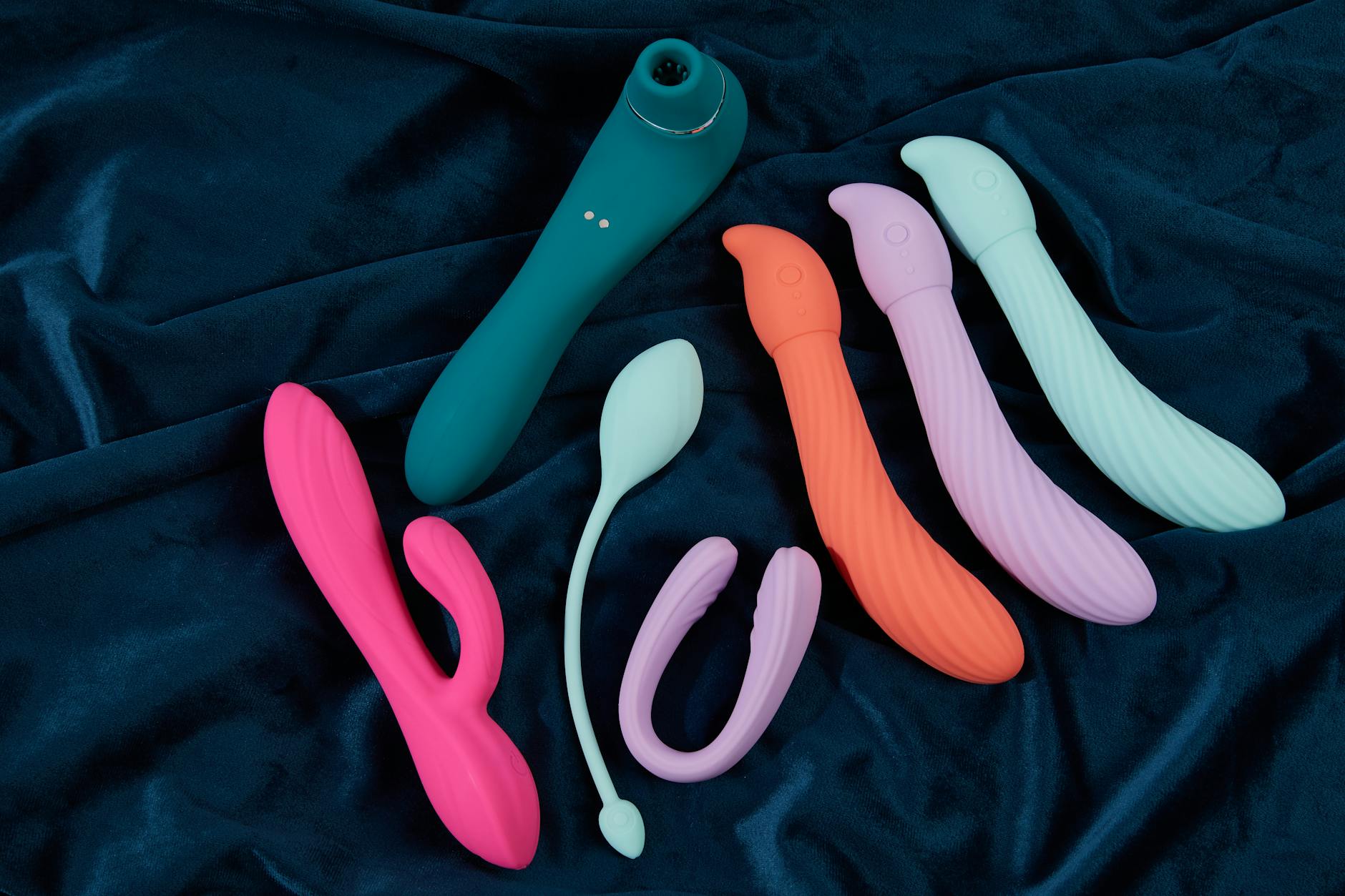
Photo by IFONNX Toys on Pexels
What makes lemon vibrators different
Lemon clitoral vibrators, particularly the air-pulse design of the Hello Nancy Lem, work on a completely different principle than traditional vibrators. Where a standard vibrator delivers rapid back-and-forth movement, air-pulse technology creates rhythmic waves of suction and release. Think of it less like a jackhammer and more like a pulsing rhythm.
Here's why this matters for sensitive tissue. Traditional vibration concentrates force directly on one spot. Air-pulse stimulation disperses the sensation across a wider surface area while the gentle suction creates a feeling of pressure rather than friction. For people with sensitive clitoral tissue, this is the difference between rough and refined.
The Lem vibrator delivers this through a silicone cup that sits over the clitoris, creating a seal. When activated, it pulses air in rhythmic patterns at intensities you control. No vibration grinding directly on nerve endings. No numbness from sustained mechanical friction. Just sensation.
The physiology of clitoral overstimulation
Let's talk about why sensitivity happens in the first place. The clitoris has two types of nerve fibers. Aδ fibers detect sharp, focused sensation. C fibers detect warmth, pressure, and deep stimulation. When you apply sustained high-frequency vibration, you're essentially fatiguing those nerve pathways. The signal gets muddled. What was pleasure becomes static.
Overstimulation also triggers a protective response. The tissue becomes inflamed, sensation dulls, and arousal actually decreases. This is why some people report that traditional vibrators feel good for 30 seconds, then numb out entirely.
Air-pulse stimulation works differently because it's pulsatile, not continuous. The rhythm gives your nerve endings time to reset between pulses. This prevents fatigue and keeps sensation acute and responsive across an entire session. You stay present. You stay aroused. You don't need to reach for tissues to manage inflammation afterward.
Why lemon adult toys are safer for frequent use
If you're using a clitoral vibrator multiple times a week, the type matters even more. Repeated friction-based stimulation can lead to temporary tissue toughening as a protective mechanism. Your body essentially builds calluses to defend against irritation. This creates a frustrating feedback loop. You need more intensity to feel anything, so you use your vibrator more aggressively, which triggers more toughening.
Lemon sexual toys sidestep this entirely. Because there's no mechanical friction, there's no tissue trauma to trigger that protective response. You can use a lemon clitoral vibrator daily without worrying about desensitization. Many of my clients who switch from traditional vibrators to air-pulse toys report that their sensitivity actually increases over time as the tissue relaxes and stops defending itself.
The suction-based stimulation also creates better circulation to the area. That increased blood flow feeds oxygen to nerve endings and supports tissue health. It's the opposite of the inflammatory response you get from aggressive vibration.
The intensity spectrum of air-pulse vibrators
One concern I hear: if air-pulse is gentler, is it less intense? The short answer is no. The Lem and other lemon vibrators offer multiple patterns and intensity levels. Starting at low settings, you can build stimulation gradually. But here's what matters. Gentle doesn't mean weak. It means sustainable.
Many people discover that they reach stronger, longer orgasms with air-pulse toys because they stay in the arousal window longer. Traditional vibrators often push you to climax quickly as a defense against numbness. With a lemon clitoral vibrator, you can stay in that plateau phase, building sensation rather than chasing release. This often results in more intense orgasms when they happen.
The range of patterns on air-pulse devices also matters. Rather than simple on-off or speed settings, you get rhythmic variations. Short pulses, long pulses, escalating pulses, steady hums. This variety keeps your nervous system engaged and prevents the habituation that happens with monotonous vibration.
Comparing lemon vibrators to other clitoral vibrator types
There are four main categories of clitoral vibrators. Bullet vibrators are small and focused but concentrate all force on one point. Wand vibrators are powerful but can feel overwhelming on sensitive tissue. Internal vibrators add depth but don't target the clitoris directly. Air-pulse vibrators like lemon toys offer the specificity of a bullet with the comfort and spread of a wand, but through suction rather than vibration.
For people with vulvas who find standard vibration uncomfortable, the air-pulse design is often the turning point. It's not that they lack sensitivity. It's that traditional vibrators were the wrong fit.
If you've tried multiple types of clitoral vibrators and they've all left you sore or numb, that's diagnostic information. It suggests that your tissue is responding to friction, not intensity. An air-pulse device like the Lem addresses the actual problem rather than just offering a different speed setting.
Matching your body to the right lemon clitoral vibrator
Not all lemon vibrators are identical. Some are smaller, some larger. Some emphasize suction, some add subtle vibration layered beneath. The Hello Nancy Lem is midsize with a focus on pure air-pulse sensation, which makes it ideal for people transitioning from traditional vibrators who want gentleness without sacrificing sensation.
Start with the lowest intensity pattern. Spend time exploring what each pattern feels like. Your body will tell you what works. Some people need slow, building pulses. Others prefer steady rhythm. Many discover that they like variety within a single session.
If you've never used an air-pulse toy before, expect a learning curve of two to three sessions. Your nervous system is used to vibration feedback. Air-pulse feels different at first. That difference is the whole point. By the third or fourth use, that novel sensation often clicks into place, and many people find themselves preferring it to anything they've used before.
Aftercare and maintenance for delicate tissue
One advantage of lemon sexual toys is that they're gentler on tissue both during use and in recovery. Traditional vibrators can leave you feeling sore for hours. Air-pulse stimulation rarely does. Still, sensitivity care matters.
After any intense session, your tissue will appreciate a few things. A few minutes of rest before any penetration. Staying hydrated (dehydration makes tissue more vulnerable to irritation). Avoiding other sources of friction for an hour or so afterward. None of this is unusual or complicated. It's just listening to your body.
The Lem vibrator itself needs minimal care. Wash with warm soapy water after each use, dry completely, and store in a clean space. Silicone is durable and low-maintenance. No special oils or conditioners needed.
FAQ: Common Questions About Lemon Clitoral Vibrators
Why do lemon vibrators feel different from regular vibrators?
Lemon clitoral vibrators use air-pulse technology instead of traditional vibration motors. Rather than moving back and forth, air-pulse creates rhythmic suction and release. This disperses sensation across a wider area and prevents the friction-based irritation that can come with standard vibrators. The result feels less like stimulation and more like a gentle, consistent rhythm.
Can sensitive tissue adjust to traditional vibrators over time?
Yes and no. Your tissue can build tolerance, but that tolerance often comes with desensitization. You need more intensity to feel the same pleasure. With air-pulse tools like lemon vibrators, the opposite often happens. Tissue relaxes, sensitivity increases, and you feel more over time rather than less. This is why many therapists recommend air-pulse devices specifically for sensitive bodies.
Are lemon sexual toys less intense than other clitoral vibrators?
No. Air-pulse vibrators offer multiple patterns and intensity levels. What they are is more sustainable. You can stay at a high level of arousal for longer without tissue fatigue or numbness. For many people, this results in stronger orgasms, not weaker ones, because they're able to build sensation gradually rather than chasing climax.
How long does it take to see results with a lemon clitoral vibrator?
Most people notice a difference in comfort and sensation within the first use. However, your nervous system may need two to three sessions to fully adapt to the air-pulse feeling if you're coming from traditional vibrators. By the third or fourth use, most people report that they prefer it. Long-term benefits like increased baseline sensitivity often appear over weeks of regular use.
Can I use a lemon vibrator if I've never had sensitivity issues?
Absolutely. Air-pulse technology isn't just for sensitive tissue. Many people who have no issues with traditional vibrators still prefer lemon clitoral vibrators because the sensation is more nuanced and the experience lasts longer without numbness. It's not a compromise tool. It's a different approach that many find superior regardless of starting sensitivity.
What makes Hello Nancy's Lem vibrator specifically better for delicate tissue?
The Lem combines pure air-pulse suction with carefully calibrated intensity patterns. The silicone is medical-grade, the seal is consistent, and the rhythms are designed to maintain sensation throughout use. It's engineered specifically for the clitoris and the nervous system supporting it. If you're investing in a tool for sensitive tissue, that specificity matters.
Next steps: finding your right device
If traditional vibrators have been uncomfortable, frustrating, or numbing, that's information about the tool, not about your body. Your clitoris isn't broken. You've just been using an approach that doesn't match your tissue's needs.
Lemon clitoral vibrators, and air-pulse technology more broadly, solve a real physiological problem. They work with sensitive tissue rather than against it. Many people who thought they had sensitivity issues discover, after switching to the right device, that they actually have exquisite responsiveness that was simply being masked by overstimulation.
Your pleasure matters. That means using tools that feel good, not tools that leave you sore. If you'd like to explore whether an air-pulse vibrator is right for you, I encourage you to reach out. We can talk through your specific needs and comfort level.