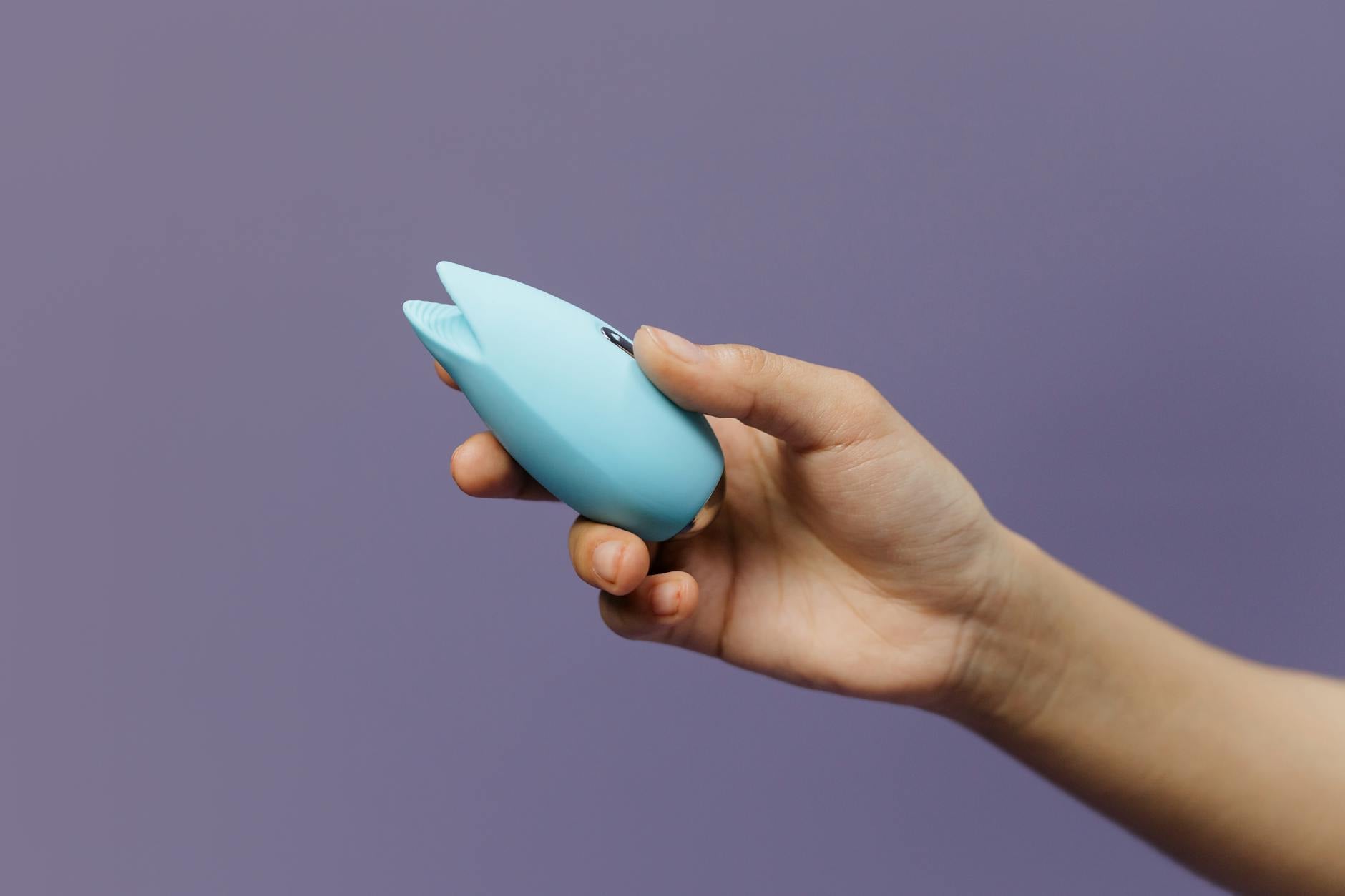
How to Use a Lemon Vibrator for Better Orgasms While Taking Antidepressants
Here's the thing nobody warns you about when you start antidepressants: they work brilliantly for mood, but they can absolutely flatten your sexual response. Your desire disappears. Orgasms feel distant or impossible. And then your brain does what brains do. It tells you the medication is working, so you should accept this as the trade-off. That's not entirely accurate.
Sexual side effects from SSRIs, SNRIs, and other antidepressants are neurochemical, not inevitable. And they're highly addressable. A lemon clitoral vibrator isn't a replacement for your medication. It's a tool that works with your brain chemistry to rebuild the pathway between stimulation and pleasure. Let me explain what's actually happening, and then how to use it.
What antidepressants do to orgasm
Most antidepressants work by increasing serotonin availability in your brain. That's good for mood regulation. But serotonin also regulates dopamine and norepinephrine, the neurotransmitters directly involved in sexual arousal and orgasm. When serotonin goes up, those two often get suppressed. It's like turning up one channel on the radio and accidentally turning down two others.
The result: lower libido, delayed arousal, and delayed or absent orgasms. Some people experience anorgasmia, where orgasm becomes functionally impossible despite physical stimulation. Others find that orgasms are possible but require so much effort that the experience stops feeling rewarding.
What's important to understand is that this isn't psychological. You're not broken. Your medication is working exactly as designed. Your brain chemistry has shifted, and your body needs a different kind of input to reach the same destination.
Why intensity and pattern matter more on medication
This is where lemon sexual toys excel, and it's the reason I recommend them so often to patients navigating this exact situation. Traditional vibrators typically offer consistent, repetitive stimulation. That works fine when your nervous system is sensitive. On antidepressants, your clitoral nerve endings often need stronger, more varied input to register arousal.
Lemon vibrators, including the lem vibrator model, use air-suction technology instead of simple vibration. This creates a different sensation. Suction pulls and releases in waves rather than shaking in place. It's more like a gentle mouth than a buzzer. That pattern complexity can bypass the numbing effect that flat vibration sometimes produces on medication.
Think of it this way: if your brain's receiving fewer dopamine signals, you need clearer, more interesting signals to reach the threshold for arousal. A lemon clitoral vibrator delivers exactly that.
How to actually use a lemon vibrator on antidepressants
Start with expectation-setting. You're not looking for orgasm in the first session. You're looking for any sensation that feels different from "nothing." That's already progress.
Session one: Exploration without pressure. Undress. Give yourself 10-15 minutes with no goal except noticing what feels good. Use the lowest suction pattern on your lem vibrator. Move it slowly around the external clitoral area. Don't focus on intensity. Focus on what pattern generates the most noticeable sensation. Some people respond better to slower patterns. Others need the faster rhythms.
Session two: Find your pattern. You now know which intensity and speed made you say "oh, that's different." Use that exact combination for 15-20 minutes. Arousal builds slowly on antidepressants, so patience is structural, not optional. If nothing happens, that's fine. You're retraining a neural pathway, and that takes repetition.
Session three and beyond: Combine stimulation types. Once you've found your baseline lemon vibrator pattern, add something else. Internal massage with your fingers. Mental focus on something that historically aroused you. A fantasy you return to. The combination is key. On antidepressants, orgasm often requires multiple inputs at once, not one perfect stimulus.
Many of my patients find that once they've had one orgasm with their lemon clitoral vibrator, subsequent ones come faster. Your brain learns the pathway. It remembers what worked. Repeat that pathway consistently, and arousal starts to rebuild.
Managing expectation across medication types
Not all antidepressants suppress sexual function equally. SSRIs like sertraline and paroxetine cause the most sexual side effects. SNRIs like venlafaxine sit in the middle. Bupropion actually enhances arousal. If you're six months in and nothing's improving despite consistent lemon vibrator use, it's worth asking your prescriber whether a different medication class might work for your mood and your sexuality.
That conversation is not weakness. It's knowing your full self matters.
Some people find that the sexual side effects diminish over time, especially in the first 6-12 months of medication. Others stabilize and stay consistent. Neither is failure. Your medication kept you alive and sane. Your pleasure is a separate conversation.
Combining lemon vibrators with other strategies
The most effective approach uses multiple channels. A lemon vibrator is one piece of the puzzle, not the entire solution.
Timing: Take your medication at night instead of morning, if your prescriber agrees. Levels are lower during evening hours. Sync your solo sessions to times when the medication is at its lowest effectiveness for that day.
Physical conditioning: Kegel exercises matter, but so does general cardiovascular fitness. Better blood flow to your genitals increases arousal capacity. That sounds unsexy until you realize you get to reclaim more pleasure.
Mindfulness over performance: The absolute worst thing you can do is turn lemon vibrator use into another chore. You're not trying to "succeed" at orgasm. You're trying to notice sensation. That shift from outcome-driven to experience-driven often triggers the breakthrough.
Partner involvement: If you have a partner, let them know you're using a lemon clitoral vibrator not because they've failed, but because your brain chemistry changed. Some partners want to be involved. Some want to give you space. Both are valid. The worst option is silence, where you white-knuckle alone and they wonder what happened to your desire.
If you're interested in exploring this together, there's a whole separate conversation about how to use a lemon vibrator for the first time with a partner, which covers communication and comfort.
When to check in with your provider
If you've been consistent with lemon vibrator use for 8-12 weeks and nothing is shifting, mention it to your prescriber. Sexual dysfunction that's treatment-resistant sometimes responds to dose adjustments, timing changes, or augmentation strategies. Some people add bupropion to their SSRI specifically to offset sexual side effects. Others switch medications entirely.
Your prescriber needs to know because sexual function is part of quality of life. It's not a luxury add-on. It's part of being fully alive.
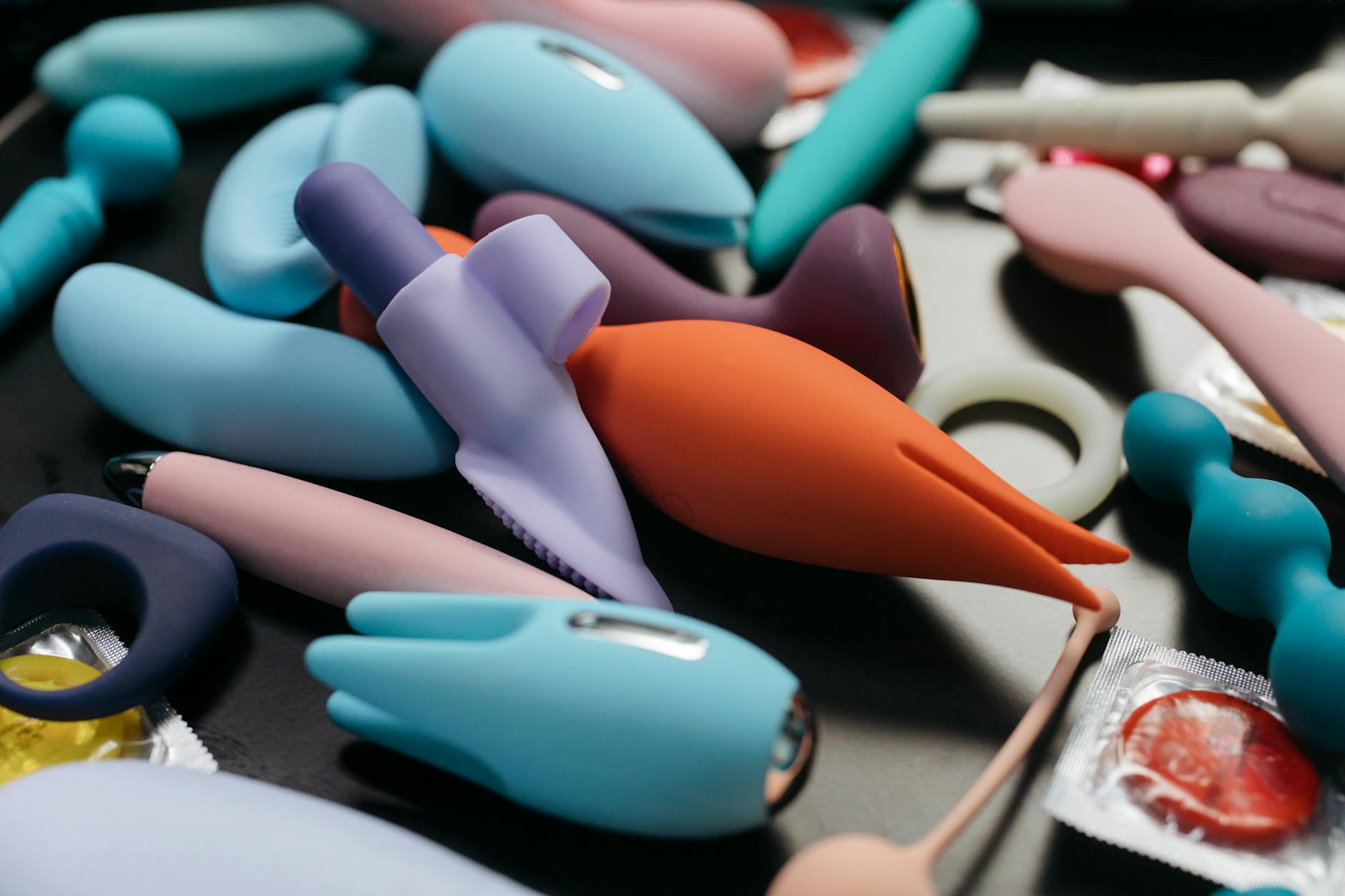
Photo by cottonbro studio on Pexels
Why lemon vibrators specifically help
The suction technology creates a stimulation profile that's genuinely different from traditional vibrators. On antidepressants, different is exactly what your nervous system needs. The rhythmic air-pulse pattern engages different nerve pathways. Some people describe it as feeling more like intentional touch and less like a mechanical buzz. That psychological shift matters too. If the sensation feels more human, more intimate, you're more likely to stick with it.
The lem vibrator is designed for precisely this: external clitoral arousal without the harshness that can come from older vibration technology. It's quieter, more intuitive, and the pattern variety gives your brain something to actually pay attention to.
Patience as a feature, not a bug
Antidepressants saved your life. Rebuilding arousal while on them is slower than before. That's not a failure. That's called having the life you fought for. A lemon vibrator doesn't magically erase that timeline. It compresses it. It gives your nervous system a tool specifically designed to work with the neurochemistry you're now living in, not against it.
Your orgasm isn't lost. It's rerouted. And you have the power to find it again.
Frequently asked questions
Can I use a lemon vibrator if I'm just starting antidepressants?
Absolutely. In fact, starting early gives you a baseline. You'll know what your sexual response was like before the medication fully kicked in, which makes it easier to track changes over the first 4-8 weeks. Some people don't experience sexual side effects at all. If you're one of them, you'll know quickly. If you do experience numbness, you'll already be familiar with a tool that can help.
Do lemon clitoral vibrators work faster on antidepressants than other vibrators?
They work differently, not necessarily faster. The suction technology engages different nerve pathways than traditional vibration. Some people on antidepressants respond better to that pattern immediately. Others need the same adjustment period they'd need with any device. The advantage is that lemon vibrators offer pattern variety, so if one rhythm isn't working, you can shift to another without changing devices.
What if I feel guilty about needing a vibrator because of medication?
That guilt is a leftover from the old story where medication side effects were just something you accepted in silence. That's not how this works anymore. A lemon sexual toy is no different from glasses for vision or a heating pad for back pain. Your brain's chemistry changed. You're using the right tool for your actual situation. That's maturity, not weakness.
Can I combine a lemon vibrator with other sexual function treatments?
Yes. Many people use a lem vibrator alongside medication timing adjustments, kegel exercises, or dose changes. None of those things interfere. The more approaches you try simultaneously, the faster you'll find what clicks. Keep a simple log: date, time of day relative to medication, pattern used, what you noticed. Patterns in your data beat guessing every time.
How long does it usually take to feel results?
It varies dramatically. Some people notice a shift in sensation after 3-4 sessions. Others take 6-8 weeks of consistent use before arousal rebuilds noticeably. The neurochemical recalibration isn't instant. But incremental progress counts. If week three feels slightly better than week one, that's real. Trust it.
Should I tell my partner I'm using a lemon vibrator for antidepressant side effects?
That depends on your relationship and communication style. Some partners feel relieved to understand what's happening and want to support you. Some feel hurt that you didn't tell them immediately. The safest approach: have a conversation before you start, not after they discover it. Frame it as "my medication changed my arousal, and I'm using a tool to work with that." That's information. It's not secrecy.
Are there other lemon adult toys that help with antidepressant side effects?
Lemon vibrators are specifically designed for external clitoral stimulation, which is where antidepressants tend to flatten sensation most noticeably. Other lemon sexual toys might add internal stimulation or different textures, but the clitoral focus is the core feature that addresses the medication barrier. If you're exploring, start with a dedicated lemon clitoral vibrator like the lem.
Your medication didn't take your sexuality away. It rerouted it. A lemon vibrator is how you find the new route.
If you're navigating this alone and want guidance, reach out. Contact us to discuss your situation. There's no judgment. Just information and support designed for your actual life.