When you've been absent from your body, showing up takes intention
Let's be real: restarting sexual pleasure after a break is not the same as starting fresh for the first time. Your body carries memory. So does your mind. You might feel rusty, self-conscious, or weirdly disconnected from sensations you used to know. That's not broken. That's just the human experience of stepping away and stepping back in.
Whether the break came from a relationship ending, a health crisis, grief, burnout, or just time passing in a way that pushed pleasure to the margins, the path back is the same: gentle, gradual, and built on permission rather than performance.
Why your body needs a different approach right now
After a break from sexual activity, the nerve endings in your clitoris haven't lost sensitivity, but the neural pathways that light up during arousal need reactivation. Think of it like returning to a gym after months away. The muscles haven't forgotten how to work, but you don't start with your old personal record.
There's also the psychological layer. Shame, embarrassment, or anxiety about whether you'll "still work" can suppress arousal on its own. Many people report that returning to pleasure feels more mentally demanding than physically difficult.
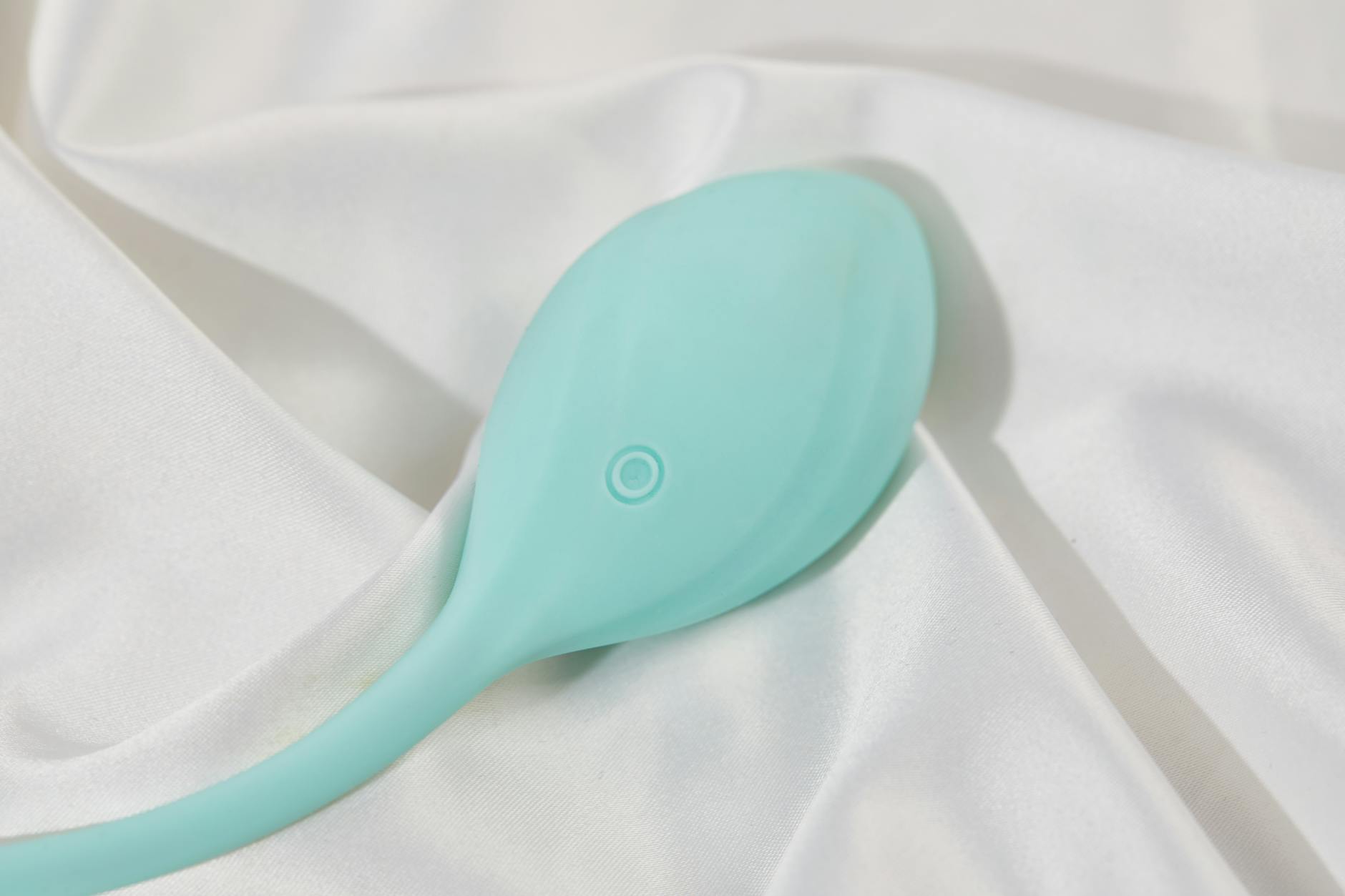
A lemon clitoral vibrator like the Lem works particularly well in this phase because it removes guesswork. You're not trying to manually find the right rhythm or pressure, which means less thinking and more feeling.
The three phases of reconnecting
Phase one: exploration without expectation (days 1-7)
Start with the vibrator off. Literally. Spend 5-10 minutes touching your clitoris with the Lem unplugged, just to remember what contact feels like. No vibration, no goal, no finish line. The sensation of the silicone alone is calming and grounding.
When you're ready, turn it on to pattern 1 (the gentlest setting). Let it sit there without moving it. Most people expect vibrators to travel or dance, but the suction motion in a clitoral vibrator does the work for you. All you're doing is holding it in contact.
Stop after 2-3 minutes. Yes, even if nothing is happening. You're training your nervous system to be present, not chasing a result.
Phase two: building familiarity (days 8-21)
Now you can extend sessions to 10-15 minutes. Spend the first 5 minutes on pattern 1. If it feels good, stay there. If you want slightly more intensity, move to pattern 2. You're not looking for an orgasm yet. You're looking for arousal: warmth, sensitivity increasing, a subtle shift in how your body responds.
Most people coming back from a break notice arousal returns before orgasm does. That's normal and actually a good sign. Your body is waking up in stages.
Try different times of day. Maybe morning light feels less charged than evening. Maybe you need to move your body first (a walk, stretching, dancing). You're gathering data on what helps you relax into sensation.
Phase three: deepening (week 3 onward)
Once you've spent two weeks building familiarity, you can start exploring higher intensity settings. You might also notice your body's response has changed slightly. Arousal might build faster now, or you might discover a pattern you didn't expect.
This is where many people find their first orgasms after a break come quietly, almost by accident. They're not always the dramatic releases of earlier in their sexual life, and that's fine. You're not comparing to a baseline from years ago. You're building a new normal.
What to do if it feels numb or "wrong"
Here's the thing nobody talks about: sometimes you come back to your body and your clitoris feels like it's behind glass. You can sense the vibration, but it doesn't feel as alive as you remember. This is usually anxiety, not damage.
When this happens, slow down further. Not everything has to build toward sensation. Sometimes the reconnection work is just: sit with yourself for 20 minutes, use pattern 1 on the Lem, and let your brain settle. Arousal follows relaxation.
If numbness persists after 3-4 weeks of gradual use, mention it to a doctor. Hormonal changes, certain medications, or nerve issues can affect sensitivity. But in most cases, patience restores sensation naturally.
The mental reset you actually need
A lemon sucker, or any lemon vibrator, is good design because it limits your options in a helpful way. There are only 5 patterns. You can't obsess over which one is "best." You just pick one and see how it feels.
This constraint removes decision fatigue, which is huge when you're mentally fragile about pleasure. Decision fatigue turns joy into obligation.
You also don't need to narrate what's happening. No "Am I doing this right?" or "Why isn't this working?" Just sensation, breath, and time.
Most of my clients find that after a 2-3 week reconnection with the Lem, their whole relationship to pleasure shifts. Not because the vibrator is magical, but because they proved to themselves that their body still responds. Once that belief is back, everything else follows.
Timing matters more than you think
After a break, your body is more sensitive to stress hormones. If you're attempting reconnection while dealing with relationship conflict, work chaos, or family pressure, your nervous system is fighting you.
The most successful reconnections I see happen when someone carves out 30 minutes, closes the door, silences their phone, and commits to that time. Not as a performance. As an act of self-respect.
Even 3-4 times a week is more effective than daily sessions if daily sessions feel like checking a box. Consistency beats intensity.
When you're rebuilding with a partner
If you're returning to pleasure after a break and you're coupled, one key: do your solo exploration first. At least one week, ideally two. This is not a referendum on your partnership. This is you getting reacquainted with yourself, which is the only way to show up authentically with someone else.
Once you've rebuilt your own baseline, you can introduce a lemon vibrator into partnered intimacy. But that's a separate conversation in a separate phase. You're not ready to share this with a partner until you're comfortable being alone with it.
How to Use a Lemon Vibrator With a Partner During Sex covers that phase in detail. For now, focus on you.
Common questions about coming back to pleasure
Will it feel the same as before the break? No, and that's fine. Your body may be slightly different. Your preferences may have shifted. You're not aiming to recreate the past. You're building a present-day practice.
How long until orgasm? For most people, 2-3 weeks of gradual use brings back orgasm capacity. For others, it takes longer. The longer you're patient with the timeline, the faster it actually moves.
What if I feel guilty or ashamed? That's your nervous system protecting you. Shame about pleasure is often rooted in older messaging that sex is something you should want rather than something you deserve. Notice the feeling, then return to sensation. Shame lives in stories. Pleasure lives in your body.
Can I use the Lem right away or should I start with something smaller? The Lem's design actually makes it ideal for reconnection. The suction is gentler than traditional vibration, and the patterns are customizable. You don't need a "stepping stone" toy. You just need patience.
What if I have a partner and they want to help? Wonderful. But make solo reconnection the priority. A partner can support by giving you uninterrupted time, by not asking when you'll "be back to normal," and by respecting that this is a personal journey, not a couples' project.
You don't have to rush
Your pleasure isn't going anywhere. It's waiting for you to show up with patience, without judgment, and with a tool that makes the exploration feel less fraught. A lemon clitoral vibrator takes the guesswork out. It gives you a clear, simple interface for reconnecting.
The timeline isn't a race. Three weeks, three months, whatever it takes. Your body is not broken, and neither are you. You're just beginning again, and that beginning is valuable.
FAQ
How often should I use a lemon vibrator during the reconnection phase?
Start with 3-4 times a week, for 10-15 minutes per session. Consistency beats frequency. Your nervous system responds better to a predictable schedule than to daily use that feels mandatory. If daily feels natural and easy, that's fine. If it feels like a chore, scale back.
Can I use a lemon sucker if I'm on antidepressants that affect arousal?
Yes. Antidepressants can delay arousal or make orgasm harder to reach, but a lemon vibrator can help bridge that gap. Because suction-based stimulation works differently than traditional vibration, it often feels more effective for people on SSRIs. You might need longer warm-up time, but your body absolutely can reconnect. How to Use a Lemon Vibrator If You Take Antidepressants or Anxiety Medication goes deeper into this.
What if I have pain when I try to reconnect with a lemon vibrator?
Pain is a signal to stop. If reconnection brings physical discomfort, that's worth discussing with a gynecologist. Hormonal changes, tension in the pelvic floor, or tissue sensitivity can all show up as pain. A professional can rule out structural issues. In the meantime, How to Recover Pleasure After Painful Sex offers specific strategies.
Is it normal to feel disconnected during reconnection attempts?
Completely normal. Disconnection is often anxiety expressing itself as numbness. Your brain is protecting you from vulnerability. This is why the "no expectation" phase (week 1) matters so much. You're teaching your nervous system that reconnection is safe. Disconnection usually softens after 7-10 days of gentle exposure.
Should I tell my partner I'm using a lemon vibrator for reconnection?
That depends on your relationship. If you have a trusting partnership where you share about sexual health, telling them is honest and can deepen connection. If you're not there yet, this is yours alone. What matters is that you're building a practice of self-care and presence. The communication piece can follow once you're more grounded.
How do I know when I'm "ready" to move to the next phase?
You'll feel it. When pattern 1 starts feeling predictable and arousal builds a little faster, that's readiness. You don't need to hit an orgasm milestone. You're looking for a subtle shift in your body's responsiveness. Trust that.
References
Evelyn Granieri, LMFT (Marriage and Family Coach), draws from clinical best practices in relationship recovery and somatic intimacy work. The phased reconnection approach outlined here is grounded in evidence-based practices in sex therapy and nervous system regulation, particularly the work of Esther Perel on desire after distance and Dr. Laurie Mintz on pleasure-focused sexuality.